
Weed in Buenos Aires: Cannabis Laws, Culture, and the Reality of Marijuana in Argentina’s Capital
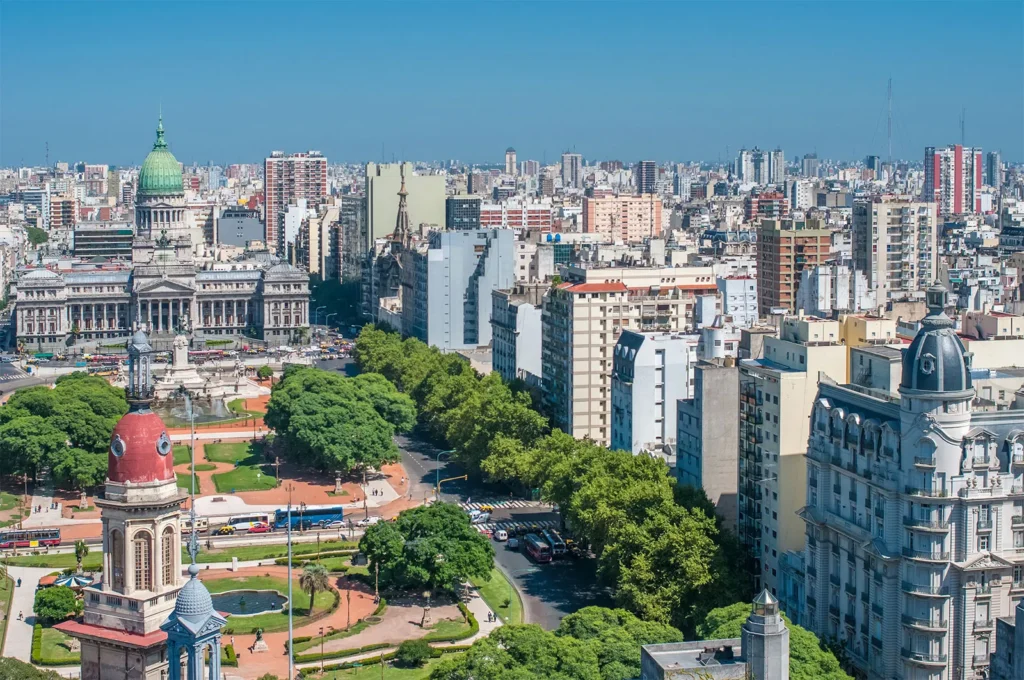
Buenos Aires is one of the most vibrant and culturally rich cities in South America. Famous for tango music, historic cafés, nightlife, football passion, and European-style architecture, the Argentine capital attracts travelers from around the world. From the colorful streets of La Boca to the elegant neighborhoods of Palermo and Recoleta, Buenos Aires combines old-world charm with modern urban energy.
As cannabis laws evolve globally, many visitors become curious about weed in Buenos Aires. Some travelers arrive from countries where marijuana has been legalized and wonder how Argentina compares. Others hear that cannabis culture in Argentina is more relaxed than in many parts of Latin America and want to understand the legal and social realities before visiting.
The truth is more nuanced than many people expect.
Argentina has gradually shifted toward a more tolerant approach regarding personal cannabis use, particularly compared to countries with strict zero-tolerance laws. However, recreational marijuana is not fully legal in the same way it is in places like Canada or certain U.S. states. Cannabis laws in Argentina involve a mixture of decriminalization, medical regulation, legal gray areas, and evolving public attitudes.
This article explores weed in Buenos Aires in detail — including cannabis laws, social culture, medical marijuana developments, nightlife, tourism realities, police enforcement, cannabis clubs, and what travelers should understand before visiting Argentina’s capital.
Cannabis Laws in Argentina
Cannabis laws in Argentina have evolved significantly over the past two decades.
While marijuana remains technically illegal under federal law, Argentina has gradually adopted a more tolerant position toward personal consumption in private settings.
A major legal turning point came in 2009 when Argentina’s Supreme Court ruled that punishing adults for private personal cannabis use violated constitutional privacy rights under certain circumstances.
This decision did not fully legalize marijuana, but it changed how personal possession cases are viewed legally.
Today, the legal situation in Argentina generally involves:
- Limited tolerance for private personal use
- Restrictions on public consumption
- Ongoing prohibition of trafficking and large-scale distribution
- Expanding medical cannabis regulations
Cannabis laws remain somewhat complex and can still vary in practical enforcement.
Medical Cannabis in Argentina
Argentina has increasingly expanded medical cannabis access in recent years.
The government established legal frameworks allowing:
- Medical cannabis treatment
- Registered patient access
- Cultivation for approved medical purposes under regulation
Medical marijuana programs have become more accepted for conditions such as:
- Chronic pain
- Epilepsy
- Neurological disorders
This gradual normalization of medical cannabis has also influenced broader public discussions around marijuana reform.
Compared to many Latin American countries, Argentina has become relatively progressive regarding medical cannabis policy.
Cannabis Culture in Buenos Aires
Buenos Aires has one of South America’s more visible cannabis cultures, especially among younger generations and creative communities.
Cannabis use may appear within:
- Music scenes
- University communities
- Artistic circles
- Alternative nightlife environments
- Social gatherings among young adults
Compared to countries with harsh anti-drug policies, marijuana in Buenos Aires is generally less stigmatized socially.
However, cannabis culture remains more informal and discreet than in fully legalized markets.
There are:
- No large-scale legal dispensary chains like in Canada
- No fully commercial recreational weed system
- Ongoing legal gray areas surrounding access and distribution
Public Attitudes Toward Marijuana
Public attitudes toward cannabis in Argentina have shifted considerably in recent years.
Many younger Argentinians now view marijuana as:
- Less dangerous than other substances
- Comparable to alcohol socially
- A personal freedom issue
Support for cannabis reform has grown through:
- Medical cannabis activism
- Human rights discussions
- Broader Latin American drug policy debates
Still, opinions vary across generations and political groups.
Older or more conservative sectors of society may continue opposing legalization.
Weed and Buenos Aires Nightlife
Buenos Aires is famous for nightlife that often continues until sunrise.
Popular nightlife areas include:
- Palermo Soho
- Palermo Hollywood
- San Telmo
- Recoleta
The city is known for:
- Live music venues
- Underground clubs
- Cocktail bars
- Cultural events and parties
Cannabis may appear casually within some nightlife circles, especially in private social settings.
However:
- Public marijuana use can still attract police attention
- Selling weed illegally remains risky
- Tourists should avoid assuming marijuana is fully legal
Although Buenos Aires is relatively relaxed compared to stricter countries, caution is still important.
Public Consumption and Legal Risks
Public marijuana smoking in Buenos Aires exists but remains legally sensitive.
Police responses can vary depending on:
- Location
- Quantity involved
- Behavior
- Whether distribution is suspected
Small-scale personal use may sometimes receive less aggressive enforcement than in countries with zero-tolerance policies, but marijuana is not openly legalized for unrestricted public use.
Tourists should avoid:
- Smoking openly in crowded tourist areas
- Carrying large amounts
- Engaging in illegal street purchases
Cannabis and Tourism in Buenos Aires
Buenos Aires is increasingly discussed among cannabis-curious travelers because Argentina is viewed as more progressive than many neighboring countries.
However, the city is not comparable to:
- Amsterdam
- Los Angeles
- Bangkok
There are no fully legal recreational dispensaries for tourists.
Visitors should understand that:
- Recreational legalization remains incomplete
- Legal gray areas still exist
- Enforcement can vary
Buenos Aires is more tolerant than many places, but not fully commercialized regarding cannabis.
Cannabis Clubs and Home Growing
Argentina has seen growing discussion around:
- Cannabis associations
- Community cultivation
- Home growing rights
Home cultivation for medical purposes has become more accepted under certain legal frameworks.
Cannabis clubs and collective growing models have also become part of broader legalization discussions, although regulations continue evolving.
This reflects Argentina’s gradual movement toward a more liberal cannabis policy environment.
Police Enforcement in Buenos Aires
Compared to countries with harsh anti-drug crackdowns, police enforcement regarding small-scale marijuana possession in Buenos Aires is often viewed as less severe.
Still, cannabis remains illegal under federal law.
Potential consequences can include:
- Police stops
- Confiscation
- Legal complications
- Criminal charges in some cases
Trafficking and large-scale distribution are treated much more seriously than personal use.
Foreign tourists should not assume being a visitor protects them from local laws.
Weed and Argentine Youth Culture
Younger Argentinians have generally become more open toward cannabis over time.
Global influences such as:
- Music culture
- Social media
- International legalization trends
- Medical cannabis activism
have contributed to changing attitudes.
Among many young adults in Buenos Aires, marijuana is often viewed as socially normal within certain circles.
This cultural shift has influenced political debates around legalization and reform.
CBD and Cannabis Products
CBD and cannabis-derived wellness products have become more common in Argentina’s medical and health discussions.
However, regulations remain more restrictive than in countries with fully commercial cannabis industries.
Tourists should still be cautious regarding:
- THC products
- Unregulated cannabis oils
- Importing cannabis-based products into Argentina
Travelers should always verify current regulations before carrying cannabis-related items internationally.
The Difference Between Buenos Aires and Fully Legal Markets
One common misunderstanding is assuming Buenos Aires has the same cannabis system as fully legalized jurisdictions.
Unlike Canada or some U.S. states, Argentina does not yet have:
- Broad recreational dispensaries
- Fully legal retail cannabis sales
- Open tourist cannabis markets
Instead, Argentina operates within a mixed legal environment involving:
- Personal-use tolerance
- Medical cannabis regulation
- Partial legal reforms
- Ongoing policy debates
Understanding this distinction is important for visitors.
Cannabis and Social Life in Buenos Aires
Cannabis in Buenos Aires is often more connected to private social life than commercial tourism.
It may appear casually at:
- House gatherings
- Music events
- University circles
- Artistic communities
Compared to stricter societies, there is generally less stigma surrounding marijuana among younger urban residents.
Still, discretion remains common because full legalization has not yet occurred.
Safety Advice for Visitors
If you are visiting Buenos Aires, it is important to remain informed and cautious regarding cannabis.
Understand the Legal Gray Area
Argentina is more tolerant than many countries, but recreational weed is not fully legalized.
Avoid Public Disturbances
Public smoking can still attract attention or legal issues.
Avoid Illegal Street Purchases
Unregulated markets carry safety and legal risks.
Respect Local Laws
Do not assume foreign legalization trends fully apply in Argentina.
Stay Updated
Cannabis regulations continue evolving.
Beyond Cannabis: The Real Buenos Aires Experience
Although some travelers ask about weed in Buenos Aires, the city’s real appeal goes far beyond cannabis culture.
Visitors come for:
- Tango music and dance
- Historic cafés and architecture
- Argentine steak and wine
- Football culture and stadiums
- Nightlife and arts scenes
- Street markets and neighborhoods like San Telmo
- Cultural life in Palermo and Recoleta
Buenos Aires offers one of Latin America’s richest urban experiences regardless of cannabis tourism.
Conclusion
Buenos Aires represents a more tolerant and evolving cannabis environment compared to many countries with strict anti-drug laws. Argentina has moved toward greater acceptance of medical marijuana and personal-use privacy rights, while public attitudes — especially among younger generations — have become increasingly open.
However, recreational cannabis is not fully legalized, and legal gray areas still exist. Public consumption, illegal sales, and trafficking remain risky, and tourists should avoid assuming Buenos Aires operates like fully legal cannabis destinations.
For now, the city’s true identity remains rooted in its culture, music, nightlife, food, football, and artistic energy — all of which make Buenos Aires one of the most exciting and unforgettable cities in the world.
Hey readers , I’m currently in Buenos Aires and was wondering if anyone knows where I might be able to find some good weed. Any recommendations or local insights would be greatly appreciated.
You might want to check out Cannabis Buffs They have the best stuff . He sells top-shelf weed and other stuff at moderate prices, I highly recommend him.
Just send him an email at buffscannabis@gmail.com
Telegram ( t.me/cannabisbuffs )
Note: He does not have channel and make sure you contact his telegram thesame as on the link above.
I love the strains they offer . I have ordered twice and the product is great. Everything arrives discreet and rather quickly after you order! I’m happy I found this cannabis buffs ! Going to try their shrooms in the near future!
easy communication with cannabis buffs and very quality products. also get product in a reasonable amount of time
Really trust this cannabis buffs . I haven’t received anything i haven’t liked. I loved everything I ordered. delivery super fast and reliable!
Generally arrives prior to estimate. Generous deals. Great size flower. Can’t beat the price.
recommend for sure
t.me/cannabisbuffs