
Weed in Jaipur : Cannabis Laws, Culture, and the Reality of Marijuana in Rajasthan’s Pink City
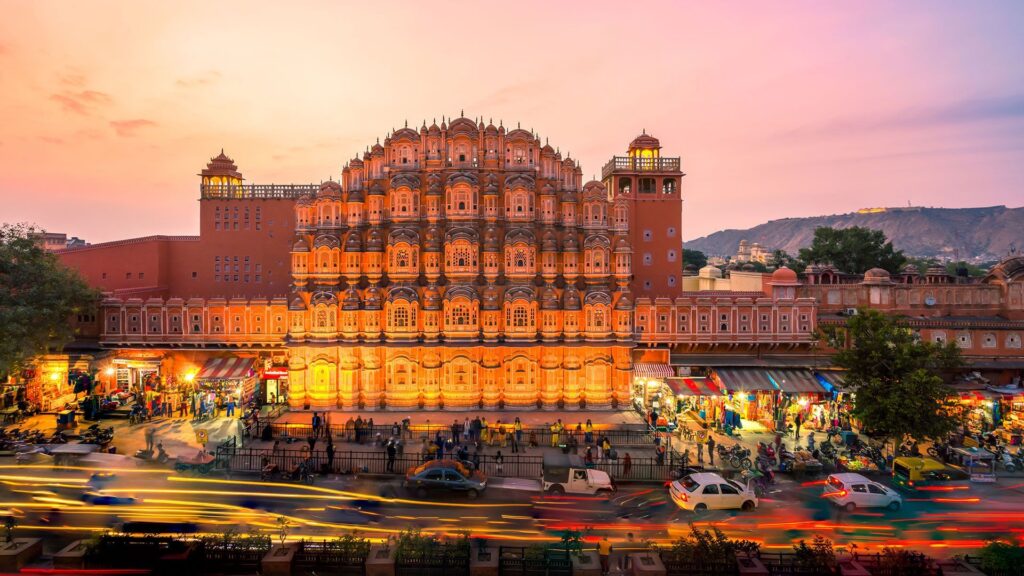
Jaipur is one of India’s most famous tourist destinations. Known as the “Pink City,” Jaipur attracts travelers from around the world with its royal palaces, historic forts, colorful bazaars, traditional crafts, and vibrant Rajasthani culture. From the beauty of Hawa Mahal to the grandeur of Amber Fort, Jaipur blends ancient history with modern tourism in a way few cities can match.
As global cannabis legalization expands across parts of North America and Europe, many visitors become curious about weed in Jaipur. India’s historical relationship with cannabis — especially through bhang, spirituality, and traditional practices — often creates the impression that marijuana is legal or widely accepted throughout the country.
The truth is more complicated.
India has a long cultural history connected to cannabis, but recreational marijuana remains illegal under national narcotics law. At the same time, Jaipur has one of the more visible traditional bhang cultures in India, which adds another layer of confusion for tourists.
This article explores weed in Jaipur in depth — including cannabis laws, bhang traditions, public attitudes, nightlife culture, police enforcement, CBD products, tourism misconceptions, and what visitors should understand before considering marijuana in Rajasthan’s capital.
Cannabis Laws in India
Cannabis laws in India are governed primarily by the Narcotic Drugs and Psychotropic Substances Act (NDPS Act) of 1985.
Under Indian law:
- Cannabis resin (charas/hashish) is illegal
- Marijuana flowers and buds are illegal in most cases
- Selling or trafficking cannabis is a criminal offense
- Possession may lead to arrest, fines, or imprisonment
However, India’s cannabis laws are unusual because of the country’s cultural and religious relationship with cannabis.
One major legal distinction involves bhang, which is traditionally prepared using cannabis leaves rather than flowering buds.
In some Indian states, bhang is legally tolerated or sold under government-regulated systems.
This often confuses travelers who assume all cannabis products are legal across India.
They are not.
Is Weed Legal in Jaipur?
Recreational marijuana remains illegal in Jaipur.
Possession, trafficking, cultivation, and illegal sale can result in:
- Police detention
- Criminal charges
- Fines
- Imprisonment in more serious cases
However, Jaipur is also one of the Indian cities most associated with legal bhang culture, which creates a very different atmosphere compared to many countries with strict anti-cannabis traditions.
Even so, tourists should understand:
traditional bhang culture does not equal full recreational cannabis legalization.
Jaipur’s Famous Bhang Culture
Jaipur is well known for its traditional bhang culture.
The city has historically been associated with:
- Government-authorized bhang shops
- Traditional cannabis drinks
- Religious and cultural cannabis use
Bhang is commonly consumed as:
- Bhang lassi
- Cannabis-infused milk drinks
- Traditional edible preparations
Unlike smoking marijuana, bhang has centuries-old connections to:
- Hindu spirituality
- Religious festivals
- Traditional practices
In parts of northern India, bhang has long been culturally accepted within specific social and religious contexts.
This makes Jaipur unique compared to many international cities discussing cannabis.
Bhang and Hindu Traditions
Cannabis has historical spiritual associations in India, especially connected to:
- Shiva worship
- Ascetic traditions
- Religious festivals
Bhang often appears during:
- Holi celebrations
- Maha Shivaratri festivals
- Traditional religious gatherings
Many people view bhang differently from modern recreational marijuana because of its deep cultural and historical roots.
However, tourists should still consume cautiously and respectfully.
Is Weed Common in Jaipur?
Compared to cities with fully legalized cannabis markets, marijuana culture in Jaipur remains limited and mostly underground outside of traditional bhang use.
Cannabis may appear within:
- Backpacker communities
- Student circles
- Music and arts scenes
- Private social gatherings
Jaipur’s large tourism industry naturally creates exposure to international cannabis culture, but public recreational marijuana use remains relatively discreet because of legal risks.
The city does not have:
- Legal recreational dispensaries
- Cannabis cafés like Amsterdam
- Public weed lounges
- Modern marijuana tourism infrastructure
Compared to places such as:
- Amsterdam
- Thailand
- Canada
Jaipur’s cannabis environment remains culturally traditional rather than commercially legalized.
Cannabis and Backpacker Culture
Jaipur is part of India’s famous tourist circuit along with:
- Delhi
- Agra
The city attracts:
- Backpackers
- Spiritual travelers
- Digital nomads
- International tourists
Because of Jaipur’s bhang reputation, some travelers incorrectly assume weed is openly legal.
This misunderstanding can create problems.
While bhang may exist within regulated traditional systems, recreational marijuana possession and trafficking remain illegal under Indian law.
Cannabis and Jaipur Nightlife
Jaipur’s nightlife scene has grown significantly in recent years.
Popular areas include:
- C-Scheme
- Malviya Nagar
- Rooftop restaurants near the Old City
- Boutique cafés and lounges
The city offers:
- Rooftop dining
- Cocktail bars
- Live music venues
- Luxury heritage hotels
Alcohol dominates Jaipur nightlife far more than marijuana.
While cannabis may circulate quietly within some tourist or private social circles, public marijuana culture remains limited.
Public Consumption and Legal Risks
Smoking weed publicly in Jaipur is risky.
Using marijuana openly in:
- Streets
- Markets
- Tourist attractions
- Public parks
- Hotel areas
can attract police attention or public complaints.
Busy tourist zones such as:
- Johari Bazaar
- The Old City
- Amber Fort surroundings
- Areas near Hawa Mahal
often have visible police presence and heavy tourist traffic.
Public marijuana smoking is not socially normalized despite Jaipur’s bhang traditions.
Police Enforcement in Jaipur
Rajasthan police actively enforce narcotics laws.
Authorities focus particularly on:
- Drug trafficking
- Smuggling operations
- Illegal cannabis distribution
- Public drug activity
Drug investigations may involve:
- Searches
- Arrests
- Detention
- Criminal prosecution under NDPS law
Foreign tourists are fully subject to Indian law.
Cannabis and Foreign Tourists
Many tourists misunderstand Jaipur’s cannabis culture because of:
- Bhang shops
- India’s spiritual cannabis history
- Stories from backpacker culture
- Festival traditions
Some travelers incorrectly assume:
- Marijuana is legal everywhere in Rajasthan
- Small quantities are ignored
- Religious tolerance overrides narcotics law
These assumptions are dangerous.
Foreign nationals caught with illegal marijuana may face:
- Arrest
- Criminal charges
- Fines
- Visa complications
- Detention or deportation issues
India’s cultural history with cannabis does not eliminate legal risks.
Public Attitudes Toward Marijuana
Public attitudes toward marijuana in Jaipur are mixed and highly influenced by tradition.
Some people view cannabis through:
- Religious customs
- Ayurvedic traditions
- Historical acceptance of bhang
Others associate marijuana with:
- Drug abuse
- Youth culture concerns
- Criminality
- Social problems
This creates a complicated social environment where cannabis may be culturally familiar but still legally sensitive.
CBD Products and Hemp in India
India has seen increasing interest in:
- CBD wellness products
- Hemp industries
- Ayurvedic cannabis products
- Medical cannabis discussions
Some Indian companies legally market:
- Hemp oils
- CBD supplements
- Cannabis-based wellness products
under regulated frameworks.
However, legality depends heavily on:
- THC content
- Product licensing
- State regulations
Tourists should still exercise caution with cannabis-derived products.
Medical Cannabis and Reform Debates
India’s cannabis reform debate has grown in recent years.
Discussions increasingly involve:
- Medical marijuana research
- Industrial hemp opportunities
- Ayurvedic applications
- Economic potential
Some activists argue India should modernize cannabis policy because of:
- Historical cultural connections
- Agricultural possibilities
- International legalization trends
However:
- Recreational marijuana remains illegal
- National legalization has not occurred
- Enforcement still exists under NDPS law
India’s cannabis future remains uncertain and politically complex.
Cannabis and Youth Culture in Jaipur
Jaipur has a growing youth and tourism culture connected to:
- Universities
- Creative industries
- Travel communities
- Fashion and music scenes
Global cannabis culture appears increasingly through:
- Social media
- International tourism
- Online legalization movements
However, concerns about:
- Legal consequences
- Family reputation
- Career opportunities
- Social stigma
continue keeping marijuana culture relatively discreet.
Risks of Bringing Cannabis Into India
One of the most serious mistakes travelers can make is bringing cannabis products into India.
This includes:
- Vape cartridges
- THC oils
- Cannabis flower
- Edibles
- Concentrates
- CBD products containing illegal THC levels
Airport and customs enforcement can be strict.
Even products legally purchased abroad may violate Indian law.
Travelers should never attempt to cross Indian borders with marijuana products.
Safety Advice for Visitors
If you are visiting Jaipur, it is important to approach cannabis cautiously.
Understand That Recreational Marijuana Is Illegal
Jaipur follows India’s national narcotics laws.
Do Not Confuse Bhang Culture With Full Legalization
Traditional cannabis practices do not make recreational weed legal.
Consume Traditional Bhang Responsibly
Bhang products can sometimes be stronger than expected.
Avoid Public Marijuana Use
Public smoking carries legal and social risks.
Respect Local Laws and Religious Traditions
Cannabis has deep cultural significance in India and should be approached respectfully.
Beyond Cannabis: The Real Jaipur Experience
Although some travelers ask about weed in Jaipur, the city’s true appeal lies elsewhere.
Visitors come for:
- Hawa Mahal
- Amber Fort and royal palaces
- Traditional Rajasthani cuisine
- Colorful bazaars and handicrafts
- Luxury heritage hotels
- Camel safaris and desert culture
- The rich history of Rajasthan
Jaipur remains one of India’s most beautiful and culturally important cities.
Conclusion
Jaipur occupies a unique position in the global cannabis conversation. Unlike many countries where cannabis culture developed mainly through modern recreational movements, Jaipur’s relationship with cannabis is deeply connected to history, religion, and traditional bhang culture.
At the same time, recreational marijuana remains illegal under Indian narcotics law, and tourists should not mistake cultural familiarity for full legalization. While bhang exists within certain traditional and regulated settings, public marijuana use, trafficking, and illegal possession still carry legal risks.
For visitors, the key is understanding that Jaipur’s cannabis culture is rooted more in history and spirituality than in modern recreational legalization. Ultimately, the city’s real magic comes from its architecture, royal heritage, colorful markets, traditions, and vibrant Rajasthani culture rather than marijuana tourism.
Hey readers , I’m currently in Jaipur and was wondering if anyone knows where I might be able to find some good weed. Any recommendations or local insights would be greatly appreciated.
You might want to check out Cannabis Buffs They have the best stuff . He sells top-shelf weed and other stuff at moderate prices, I highly recommend him.
Just send him an email at buffscannabis@gmail.com
Telegram ( t.me/cannabisbuffs )
Note: He does not have channel and make sure you contact his telegram thesame as on the link above.
I love the strains they offer . I have ordered twice and the product is great. Everything arrives discreet and rather quickly after you order! I’m happy I found this cannabis buffs ! Going to try their shrooms in the near future!
easy communication with cannabis buffs and very quality products. also get product in a reasonable amount of time
Really trust this cannabis buffs . I haven’t received anything i haven’t liked. I loved everything I ordered. delivery super fast and reliable!
Generally arrives prior to estimate. Generous deals. Great size flower. Can’t beat the price.
recommend for sure
t.me/cannabisbuffs