
Weed in Lima: Cannabis Laws, Culture, and the Reality of Marijuana in Peru’s Coastal Capital
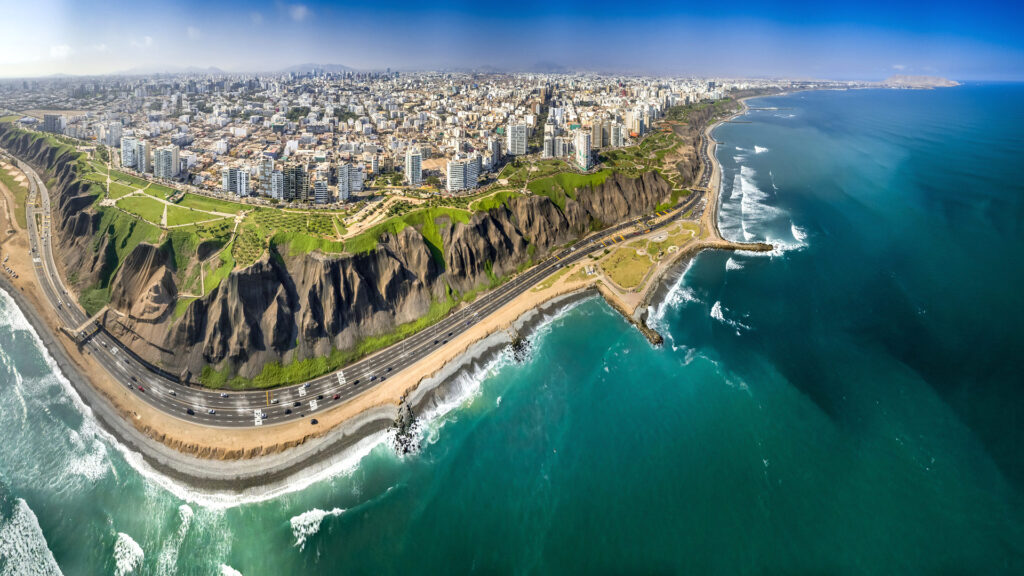
Lima is one of South America’s most fascinating cities. As the capital of Peru, Lima combines colonial history, Pacific Ocean views, world-famous cuisine, modern nightlife, ancient archaeological sites, and vibrant urban culture. From the clifftop districts of Miraflores to the bohemian streets of Barranco and the historic center near Plaza Mayor, Lima offers a unique blend of tradition and modern Latin American energy.
As cannabis legalization expands across parts of the Americas and Europe, many travelers become curious about weed in Lima. Peru has introduced some medical cannabis reforms, and South America overall has seen growing conversations around marijuana policy. Because of this, some visitors assume cannabis is widely accepted or fully legalized in Peru.
The reality is more complicated.
Cannabis remains illegal for recreational sale in Peru, although the country has moved toward decriminalization for small personal possession and medical marijuana regulation. In Lima, cannabis culture exists quietly within some youth, artistic, and nightlife communities, but legal uncertainty and police enforcement still create risks for both locals and tourists.
This article explores weed in Lima in depth — including Peru’s cannabis laws, local culture, nightlife, public attitudes, medical marijuana reforms, police enforcement, tourism realities, CBD products, and what visitors should understand before considering marijuana in Peru’s capital.
Cannabis Laws in Peru
Peru has relatively moderate cannabis laws compared to some neighboring countries, but marijuana is not fully legalized recreationally.
Peruvian law generally allows limited personal possession under specific conditions.
However:
- Selling marijuana illegally remains prohibited
- Drug trafficking carries serious penalties
- Public consumption can still create legal problems
- Larger quantities may lead to criminal charges
Peru also legalized medical cannabis under regulated systems in recent years.
This created a more open national conversation around marijuana, although recreational legalization has not occurred.
Is Weed Legal in Lima?
Recreational marijuana is not fully legal in Lima.
However, Peru’s laws regarding small personal possession are more flexible than in many countries.
In practice:
- Small personal-use possession may sometimes be tolerated under certain limits
- Police enforcement can vary depending on circumstances
- Selling or trafficking cannabis remains illegal
- Public consumption may still attract police attention
This creates a legal gray area where marijuana exists socially but remains partially criminalized.
Tourists should not confuse decriminalization with full legalization.
Medical Cannabis Reform in Peru
One of the biggest changes in Peru’s cannabis landscape came through medical marijuana reform.
Peru legalized medical cannabis in recent years for regulated therapeutic use.
Medical cannabis discussions involve:
- Chronic pain treatment
- Epilepsy treatment
- Pharmaceutical cannabis products
- Patient advocacy groups
The medical system remains relatively limited compared to countries such as:
- Canada
- Certain states in the United States
However, reform helped reduce stigma surrounding cannabis discussions in urban areas like Lima.
Is Weed Common in Lima?
Compared to countries with fully legalized cannabis industries, marijuana culture in Lima remains relatively underground but visible within some social circles.
Cannabis use may appear within:
- University communities
- Creative and artistic scenes
- Music and nightlife culture
- Backpacker communities
- Private gatherings and parties
Neighborhoods such as:
- Miraflores
- Barranco
- San Isidro
often have younger and more international social environments where cannabis discussions are more open.
However, Lima does not have:
- Legal recreational dispensaries
- Cannabis cafés
- Public weed lounges
- Large-scale marijuana tourism infrastructure
Compared to places like:
- Amsterdam
- Thailand
- Some regions of the United States
Lima’s cannabis culture remains relatively discreet.
Cannabis and Lima Nightlife
Lima has one of the best nightlife scenes in South America.
Popular nightlife districts include:
- Barranco
- Miraflores
- San Isidro
The city offers:
- Cocktail bars
- Beachfront lounges
- Rooftop restaurants
- Music venues
- Underground arts and electronic music scenes
Alcohol remains much more socially dominant than cannabis.
While marijuana may circulate quietly within some nightlife circles, public use still carries legal and social risks.
Tourists should not mistake Lima’s relaxed nightlife atmosphere for full cannabis legalization.
Public Consumption and Legal Risks
Smoking weed publicly in Lima can still create problems.
Using marijuana openly in:
- Streets
- Beaches
- Public parks
- Tourist districts
- Nightlife zones
may attract police attention or public complaints.
Busy tourist areas such as:
- Miraflores boardwalks
- Barranco nightlife streets
- Historic downtown Lima
often have visible security or police presence.
Public marijuana consumption remains socially sensitive despite growing reform discussions.
Police Enforcement in Lima
Police enforcement involving marijuana can vary.
Authorities focus more heavily on:
- Drug trafficking
- Organized criminal networks
- Cocaine-related trafficking operations
- Public disorder and illegal distribution
However, cannabis possession can still lead to:
- Police questioning
- Searches
- Temporary detention
- Confiscation
- Legal complications
Foreign tourists are fully subject to Peruvian law.
Even if personal possession laws appear relaxed on paper, police interactions can still become stressful or unpredictable.
The Problem With Street Dealers
One of the biggest risks for tourists involves buying marijuana from street dealers.
Visitors in nightlife or tourist areas may occasionally encounter:
- Informal cannabis offers
- Beach-area dealers
- Drug sellers targeting tourists
This creates several dangers:
- Tourist scams
- Unsafe or contaminated products
- Police attention
- Links to criminal activity
Peru has long struggled with larger narcotics trafficking issues, particularly involving cocaine production routes.
Tourists should avoid assuming marijuana purchases are harmless or fully tolerated.
Public Attitudes Toward Marijuana
Public attitudes toward cannabis in Peru are changing slowly.
Younger generations influenced by:
- International legalization trends
- Social media
- Global cannabis reform movements
often hold more relaxed views regarding marijuana.
At the same time, conservative attitudes remain strong among some sectors of society, especially regarding:
- Public drug use
- Youth culture concerns
- Crime and safety issues
Medical cannabis reform helped normalize some cannabis discussions, but recreational marijuana remains controversial.
Cannabis and Backpacker Culture
Lima is a major destination for:
- Backpackers
- Digital nomads
- International students
- Long-term travelers
Cannabis culture appears more visible within some backpacker and alternative social circles than in many traditional Peruvian communities.
However, travelers should remain realistic about:
- Legal uncertainty
- Police enforcement
- Tourist-targeted scams
- Public safety concerns
What may appear socially relaxed in some hostels or nightlife environments does not mean marijuana is fully legal.
CBD Products in Peru
CBD products have become more visible in Peru following medical cannabis reforms.
Some pharmacies or specialty wellness shops may offer:
- CBD oils
- Hemp-derived wellness products
- Medical cannabis-related products
However:
- Regulations continue evolving
- Product availability remains limited
- THC-containing products may still create legal issues
Visitors should purchase only from reputable and legal sources.
Cannabis and Peru’s International Image
Peru’s international image is sometimes linked to broader discussions about drug policy because of the country’s role in global coca production.
However, marijuana occupies a very different social and political position than coca-related issues.
Cannabis reform discussions in Peru increasingly focus on:
- Public health
- Medical access
- Decriminalization
- Human rights and personal freedom debates
Still, the country remains cautious regarding full recreational legalization.
Risks of Bringing Cannabis Into Peru
One of the biggest mistakes travelers can make is bringing cannabis products into Peru internationally.
This includes:
- THC vape cartridges
- Edibles
- Cannabis flower
- Concentrates
- THC oils
Airport and customs enforcement can still create serious legal problems.
Even products legally purchased abroad may violate Peruvian law.
Travelers should never assume international cannabis transport is safe or permitted.
Safety Advice for Visitors
If you are visiting Lima, it is important to approach cannabis cautiously.
Understand That Recreational Legalization Is Incomplete
Peru has decriminalization and medical reforms, but not full recreational legalization.
Avoid Street Dealers
Street purchases may involve scams or criminal networks.
Be Careful With Public Consumption
Public smoking can still attract police attention.
Never Bring Cannabis Across Borders
International transport remains legally risky.
Respect Local Laws and Social Attitudes
Cannabis discussions may be more open than before, but marijuana remains sensitive socially and legally.
Beyond Cannabis: The Real Lima Experience
Although some travelers ask about weed in Lima, the city’s true appeal lies elsewhere.
Visitors come for:
- World-famous Peruvian cuisine
- Pacific Ocean views and coastal districts
- Colonial architecture and museums
- Surf culture and beaches
- Art, music, and nightlife scenes
- Ancient history and nearby archaeological sites
- The energy and creativity of modern Peru
From the colorful streets of Barranco to the historic center and Miraflores coastline, Lima remains one of South America’s most exciting capitals.
Conclusion
Lima exists within a changing cannabis environment shaped by medical marijuana reform, partial decriminalization, and evolving public attitudes. Cannabis culture is increasingly visible among younger generations, nightlife communities, and international travelers, especially in districts such as Miraflores and Barranco.
However, recreational marijuana is not fully legalized, and legal uncertainty, police enforcement, and public safety concerns still create real risks for both locals and tourists.
For visitors, the key is understanding that Lima’s modern nightlife and progressive social circles do not automatically mean cannabis is fully legal or risk-free. Ultimately, the city’s real magic comes from its food, culture, history, coastline, and artistic energy rather than marijuana tourism.
Hey readers , I’m currently in Lima and was wondering if anyone knows where I might be able to find some good weed. Any recommendations or local insights would be greatly appreciated.
You might want to check out Cannabis Buffs They have the best stuff . He sells top-shelf weed and other stuff at moderate prices, I highly recommend him.
Just send him an email at buffscannabis@gmail.com
Telegram ( t.me/cannabisbuffs )
Note: He does not have channel and make sure you contact his telegram thesame as on the link above.
I love the strains they offer . I have ordered twice and the product is great. Everything arrives discreet and rather quickly after you order! I’m happy I found this cannabis buffs ! Going to try their shrooms in the near future!
easy communication with cannabis buffs and very quality products. also get product in a reasonable amount of time
Really trust this cannabis buffs . I haven’t received anything i haven’t liked. I loved everything I ordered. delivery super fast and reliable!
Generally arrives prior to estimate. Generous deals. Great size flower. Can’t beat the price.
recommend for sure
t.me/cannabisbuffs