
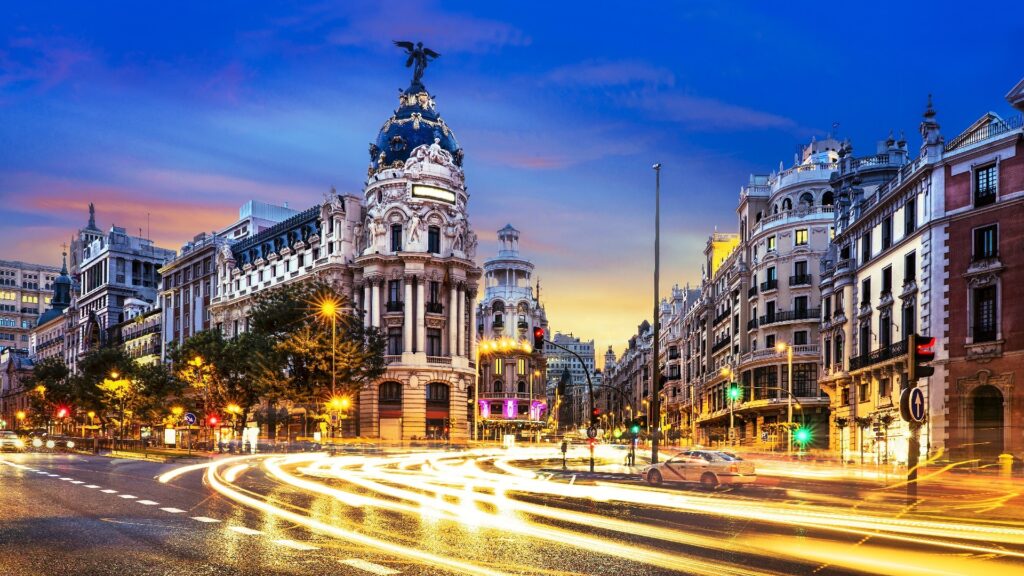
Weed in Madrid: Cannabis Laws, Culture, and the Reality of Marijuana in Spain’s Capital
Madrid is one of Europe’s most energetic and culturally rich capitals. Known for its nightlife, football culture, museums, historic plazas, tapas bars, and modern urban lifestyle, Madrid attracts millions of visitors every year. From the grandeur of Plaza Mayor to the nightlife of Malasaña and the elegance of the Salamanca district, Madrid blends traditional Spanish culture with a youthful and cosmopolitan atmosphere.
As cannabis laws continue evolving across Europe, many travelers become curious about weed in Madrid. Spain has developed an international reputation for relatively relaxed cannabis policies, especially because of its famous cannabis social clubs. Tourists often hear that marijuana is “legal” in Spain or assume Madrid functions like Amsterdam.
The reality is more complicated.
Spain has a unique cannabis system that combines partial decriminalization, private-use tolerance, and legal gray areas. Recreational marijuana is not fully legalized nationwide, but personal use in private spaces is generally tolerated under certain conditions. This has led to the growth of cannabis social clubs and a visible cannabis culture in cities like Madrid.
This article explores weed in Madrid in depth — including Spanish cannabis laws, cannabis social clubs, nightlife culture, medical marijuana, police enforcement, tourism misconceptions, public attitudes, and what travelers should understand before using marijuana in Spain’s capital.
Cannabis Laws in Spain
Spain’s cannabis laws are often misunderstood because they exist somewhere between prohibition and legalization.
Under Spanish law:
- Private cannabis consumption is generally tolerated
- Possession in private spaces for personal use is decriminalized in some situations
- Public consumption remains illegal
- Public possession can result in fines
- Cannabis trafficking and commercial sales remain illegal
This means recreational marijuana is not fully legal nationwide, but Spain has adopted a more tolerant approach toward private adult use compared to many countries.
One important legal distinction in Spain is between:
- Private spaces
- Public spaces
This difference shapes much of Madrid’s cannabis culture.
What Makes Spain Different?
Spain developed a unique cannabis environment because courts and legal interpretations gradually allowed private cannabis consumption and cultivation for personal use under limited circumstances.
This eventually contributed to the rise of:
- Cannabis social clubs
- Private member-based consumption spaces
- Informal cannabis communities
Unlike fully legal markets such as:
- Canada
- Parts of the United States
Spain does not officially allow open recreational cannabis stores for the general public.
The system operates within a legal gray area rather than a fully legalized commercial market.
Cannabis Social Clubs in Madrid
One of the most distinctive features of weed culture in Madrid is the presence of cannabis social clubs.
Cannabis clubs are typically:
- Private membership organizations
- Nonprofit associations
- Spaces where registered members may consume cannabis privately
These clubs became popular first in regions such as Catalonia, especially Barcelona, but they also exist in Madrid.
However, tourists often misunderstand how these clubs operate.
Cannabis clubs are not technically:
- Public dispensaries
- Tourist cannabis cafés
- Fully legal retail stores
Rules and enforcement vary, and authorities continue debating the legality of some club practices.
Can Tourists Access Cannabis Clubs?
Tourist access to cannabis clubs in Madrid can be inconsistent.
Some clubs:
- Require invitations or referrals
- Restrict access to residents
- Operate through private membership systems
Others may appear more open to international visitors, but regulations remain legally sensitive.
Tourists should understand:
- Clubs operate within gray legal territory
- Rules can change
- Police scrutiny sometimes occurs
- Not all clubs are legally secure
Joining a club does not necessarily mean every activity connected to it is fully protected under Spanish law.
Public Consumption and Legal Risks
Public cannabis use remains illegal in Madrid.
Smoking weed openly in:
- Streets
- Parks
- Public plazas
- Outside bars or clubs
- Near tourist landmarks
can lead to:
- Fines
- Police confiscation
- Administrative penalties
This is one of the most important rules visitors should understand.
Even though Spain is relatively tolerant regarding private use, public consumption laws are still actively enforced.
Areas around:
- Puerta del Sol
- Gran Vía
- Plaza Mayor
- Busy nightlife districts
often have visible police presence.
Cannabis Culture in Madrid
Madrid has a visible and growing cannabis culture, especially among:
- Younger adults
- University students
- Creative communities
- Music and nightlife scenes
- Progressive social circles
Cannabis discussions are more open in Spain than in many European countries.
Compared to stricter societies, marijuana carries less stigma socially in many urban Spanish environments.
Still, cannabis culture in Madrid is generally more discreet than in fully legalized markets.
Weed and Madrid Nightlife
Madrid is famous for having one of Europe’s best nightlife scenes.
Popular nightlife areas include:
- Malasaña
- Chueca
- La Latina
- Lavapiés
The city offers:
- Late-night bars
- Rooftop lounges
- Electronic music venues
- Tapas culture
- Underground music scenes
Cannabis may appear casually within some nightlife and private social circles.
However:
- Public smoking is still illegal
- Open street use can attract police attention
- Illegal street sales remain risky
Madrid’s relaxed nightlife atmosphere should not be mistaken for unrestricted cannabis legality.
Police Enforcement in Madrid
Compared to countries with strict anti-drug laws, police enforcement regarding small personal cannabis possession in Spain is often viewed as moderate.
However:
- Public possession can still result in fines
- Public smoking remains punishable
- Cannabis trafficking is treated seriously
- Police may confiscate marijuana
Authorities especially focus on:
- Public order
- Illegal distribution networks
- Tourist-heavy areas
Foreign visitors are still expected to obey Spanish law.
Medical Cannabis in Spain
Spain has a more limited medical cannabis system compared to some countries, but discussions about medical marijuana have expanded in recent years.
Cannabis-based medications and regulated medical access have gradually become more accepted within certain frameworks.
Medical marijuana debates have helped normalize public conversations about cannabis generally.
However:
- Spain does not yet operate a broad commercial recreational cannabis system
- Medical access remains more limited than in countries like Canada or Germany
Public Attitudes Toward Marijuana
Public attitudes toward cannabis in Spain are relatively liberal compared to many countries.
Several factors contribute to this:
- Progressive urban culture
- Longstanding cannabis social club traditions
- Harm-reduction approaches
- Youth support for legalization
Among many younger Spaniards, marijuana is increasingly viewed as:
- Comparable socially to alcohol in some ways
- Less harmful than older anti-drug messaging suggested
- A personal freedom issue
Support for broader legalization has grown over time.
Cannabis and Younger Generations
Younger residents in Madrid generally hold more relaxed attitudes toward marijuana than older generations.
Global influences shaping these views include:
- Social media
- Music and pop culture
- International legalization trends
- Wellness culture
Cannabis has become increasingly normalized socially within many urban youth communities.
This generational shift continues influencing Spanish cannabis reform discussions.
CBD and Hemp Products in Madrid
CBD products are widely available in Madrid.
Visitors may encounter:
- CBD oils
- Hemp cosmetics
- CBD flower products
- Wellness shops
- Cannabis-themed stores
However:
- CBD products are not the same as legal recreational marijuana
- THC regulations still apply
- Product quality and legality can vary
Tourists should understand the difference between hemp-based products and recreational cannabis.
Cannabis Reform Debates in Spain
Spain continues debating broader cannabis reform.
Political discussions include:
- Recreational legalization
- Regulation of cannabis clubs
- Taxation systems
- Expanded medical cannabis access
Some regions and political groups support more comprehensive legalization frameworks.
However, Spain still operates within a partially tolerant but legally complex system rather than full legalization.
Madrid reflects this balance between tolerance and regulation.
The Difference Between Madrid and Amsterdam
Many travelers compare Madrid with:
- Amsterdam
because both cities are internationally associated with cannabis culture.
However, important differences exist.
Amsterdam has:
- Licensed coffeeshops
- Semi-tolerated public retail sales
- Long-established cannabis tourism systems
Madrid’s cannabis culture is based more around:
- Private social clubs
- Private-use tolerance
- Legal gray areas
rather than fully regulated public cannabis sales.
Safety Advice for Visitors
If you are visiting Madrid, it is important to approach cannabis responsibly.
Understand the Difference Between Private and Public Use
Private use may be tolerated, but public consumption remains illegal.
Be Careful With Cannabis Clubs
Not all clubs operate the same way legally.
Avoid Street Purchases
Illegal sellers may involve scams or unsafe products.
Respect Local Laws
Spain is tolerant in some areas but not fully legalized.
Stay Updated
Cannabis regulations and enforcement continue evolving.
Beyond Cannabis: The Real Madrid Experience
Although some travelers ask about weed in Madrid, the city’s true appeal goes far beyond cannabis culture.
Visitors come for:
- Plaza Mayor
- World-class museums like the Prado
- Spanish cuisine and tapas culture
- Football and nightlife
- Historic neighborhoods and architecture
- Flamenco performances and festivals
- Parks such as El Retiro
Madrid remains one of Europe’s most exciting and culturally vibrant capitals.
Conclusion
Madrid occupies a unique position in Europe’s evolving cannabis landscape. Spain’s system of private-use tolerance and cannabis social clubs has created a relatively relaxed environment compared to stricter countries, and cannabis culture is visible within nightlife, arts, and youth communities.
However, recreational marijuana is not fully legalized, and public consumption remains illegal. Tourists should understand that Madrid’s cannabis scene operates within legal gray areas rather than a fully regulated commercial market.
For visitors, the key is understanding the balance between tolerance and restriction. Madrid is progressive and socially open in many ways, but respecting local laws and customs remains essential. Ultimately, the city’s real magic lies in its culture, food, nightlife, history, and energy rather than cannabis tourism alone.
Hey readers , I’m currently in Real Madrid and was wondering if anyone knows where I might be able to find some good weed. Any recommendations or local insights would be greatly appreciated.
You might want to check out Cannabis Buffs They have the best stuff . He sells top-shelf weed and other stuff at moderate prices, I highly recommend him.
Just send him an email at buffscannabis@gmail.com
Telegram ( t.me/cannabisbuffs )
Note: He does not have channel and make sure you contact his telegram thesame as on the link above.
I love the strains they offer . I have ordered twice and the product is great. Everything arrives discreet and rather quickly after you order! I’m happy I found this cannabis buffs ! Going to try their shrooms in the near future!
easy communication with cannabis buffs and very quality products. also get product in a reasonable amount of time
Really trust this cannabis buffs . I haven’t received anything i haven’t liked. I loved everything I ordered. delivery super fast and reliable!
Generally arrives prior to estimate. Generous deals. Great size flower. Can’t beat the price.
recommend for sure
t.me/cannabisbuffs