
Weed in Nairobi: Cannabis Laws, Culture, and the Reality of Marijuana in Kenya’s Capital
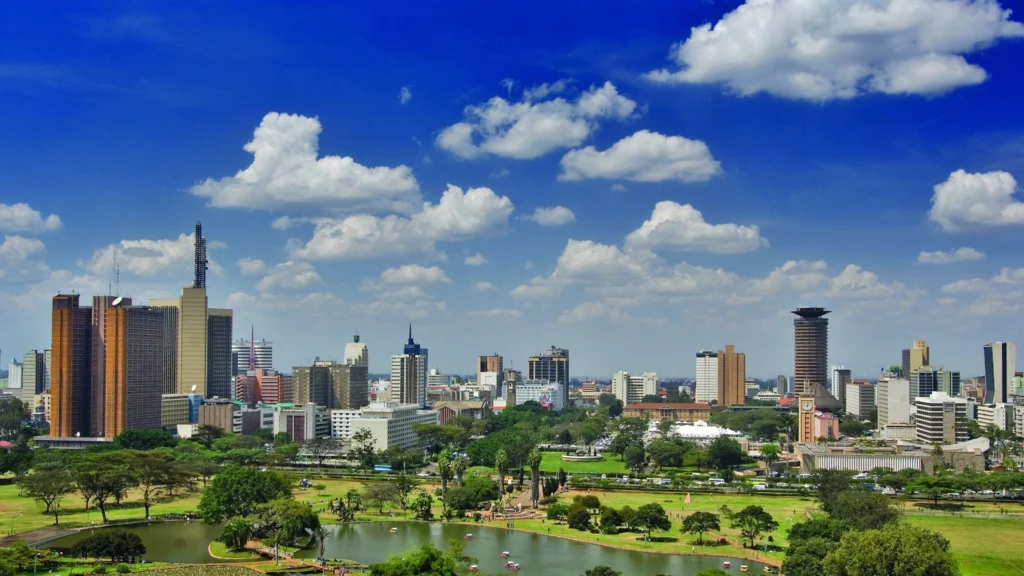
Nairobi is one of Africa’s most energetic and rapidly evolving cities. As the capital of Kenya, Nairobi is known for its modern skyline, thriving business scene, nightlife, creative industries, wildlife attractions, and growing international tourism. The city blends urban African energy with global influence, creating a unique atmosphere where tradition, technology, music, fashion, and entrepreneurship all intersect.
From the nightlife of Westlands and Kilimani to the green spaces of Karura Forest and Nairobi National Park, the city offers a mix of culture, adventure, and modern African identity. As cannabis laws continue changing around the world, some travelers become curious about weed in Nairobi. Because Nairobi is a major international city with a young population and active nightlife, visitors sometimes assume marijuana may be tolerated socially or exist within a legal gray area.
The reality is more complicated.
Cannabis remains illegal in Kenya, and the country maintains strict drug laws. Although marijuana exists within underground social circles and illegal markets in Nairobi, possession, use, trafficking, and cultivation can still result in arrest, fines, imprisonment, and serious legal problems. At the same time, public discussions around medical cannabis and legalization have slowly started emerging in Kenya, especially among younger and more progressive communities.
This article explores weed in Nairobi in depth — including Kenya’s cannabis laws, local cannabis culture, nightlife, public attitudes, police enforcement, medical marijuana debates, tourism realities, CBD issues, and what travelers should understand before considering marijuana in Kenya’s capital.
Cannabis Laws in Kenya
Cannabis is illegal in Kenya under national narcotics laws.
Under Kenyan law:
- Recreational marijuana is illegal
- Possession of cannabis is a criminal offense
- Cultivation and trafficking carry severe penalties
- Public use is prohibited
- Medical marijuana is not broadly legalized
There are:
- No legal dispensaries
- No cannabis cafés
- No legal recreational cannabis system
- No regulated marijuana tourism industry
Penalties for cannabis-related offenses may include:
- Arrest
- Heavy fines
- Imprisonment
- Criminal records
Kenyan authorities treat narcotics offenses seriously.
Is Weed Legal in Nairobi?
No. Recreational cannabis is completely illegal in Nairobi.
There is no formal decriminalization system involving:
- Personal-use exemptions
- Legal cannabis clubs
- Recreational dispensaries
- Tourist marijuana zones
Even small amounts can create legal complications.
Foreign visitors are fully subject to Kenyan law.
Although cannabis may exist socially in underground circles, legality and safety are entirely different issues.
Is Weed Common in Nairobi?
Despite being illegal, marijuana does exist within parts of Nairobi’s social scene.
Cannabis may appear within:
- Youth culture
- Music and arts communities
- University circles
- Certain nightlife environments
- Underground social networks
However, marijuana use is generally discreet rather than openly public.
Compared to fully legalized destinations, Nairobi does not have a visible or openly commercial cannabis culture.
Tourists should understand that:
- Illegal availability does not mean tolerance
- Public use remains risky
- Enforcement can still be serious
Cannabis and Nairobi Nightlife
Nairobi has one of East Africa’s most active nightlife scenes.
Popular nightlife districts include:
- Westlands
- Kilimani
- Karen
- Lavington
The city offers:
- Rooftop bars
- Afrobeats clubs
- Live music venues
- Cocktail lounges
- International restaurants and lounges
Alcohol dominates nightlife culture far more openly than cannabis.
While marijuana may circulate privately in some social groups, public smoking can quickly attract unwanted attention from:
- Police
- Security personnel
- Venue management
Visitors should not assume Nairobi’s nightlife operates like cannabis-tolerant party destinations elsewhere in the world.
Public Consumption and Legal Risks
Public marijuana use in Nairobi remains illegal.
Smoking cannabis openly in:
- Streets
- Public parks
- Tourist areas
- Public transportation zones
- Nightlife districts
may lead to:
- Police questioning
- Arrest
- Confiscation
- Criminal charges
Kenyan drug laws do not provide broad protections for public cannabis use.
Discretion does not eliminate legal risk.
Police Enforcement in Nairobi
Police enforcement involving marijuana varies depending on:
- Quantity possessed
- Circumstances
- Location
- Intent to distribute
Authorities focus heavily on:
- Drug trafficking
- Organized criminal activity
- Narcotics distribution networks
However, even small possession cases can still create legal trouble for both locals and tourists.
Travelers should understand:
- Foreign nationality does not provide protection
- Drug-related offenses can complicate travel plans
- Legal processes may be stressful and expensive
Attempting to buy or use cannabis while traveling in Nairobi can create unnecessary risks.
Public Attitudes Toward Marijuana
Public attitudes toward cannabis in Kenya are changing slowly but remain mixed.
Some younger and progressive groups support:
- Medical marijuana discussions
- Reduced criminal penalties
- Economic opportunities linked to cannabis industries
However, many Kenyans still view marijuana negatively because of:
- Religious values
- Social conservatism
- Anti-drug campaigns
- Concerns about youth drug use
Cannabis remains politically sensitive in Kenya.
Unlike some Western countries, marijuana is not broadly normalized socially.
Medical Marijuana Debates in Kenya
Kenya has seen increasing public discussion about medical cannabis in recent years.
Some activists and political figures have argued for:
- Medical marijuana research
- Industrial hemp development
- Economic opportunities from cannabis farming
Supporters often point to legalization trends in:
- Canada
- Parts of the United States
- South Africa
- Certain European countries
However, large-scale legalization has not occurred in Kenya.
Cannabis remains illegal under current law.
CBD Products in Kenya
CBD products remain legally uncertain in Kenya.
Travelers should be cautious with:
- CBD oils
- Hemp supplements
- THC-free wellness products
- Vape products containing cannabis-derived ingredients
Even products legally sold abroad may create complications under Kenyan narcotics regulations.
Bringing CBD into Kenya without proper legal clarity is risky.
The Risks of Buying Weed in Nairobi
One of the biggest dangers for tourists involves attempting to buy marijuana locally.
Visitors may encounter:
- Street dealers
- Informal sellers near nightlife zones
- Drug offers targeting foreigners
This creates risks involving:
- Scams
- Unsafe products
- Police stings
- Theft or extortion
- Criminal networks
Tourists looking for illegal drugs often become targets for scams or unsafe situations.
Seeking marijuana while traveling in Nairobi is simply not worth the risk.
Cannabis and Youth Culture in Nairobi
Nairobi has a large youth population connected to:
- Universities
- Music industries
- Fashion scenes
- Technology startups
- Creative arts communities
Global cannabis culture influences younger generations through:
- Social media
- International music and entertainment
- Global legalization movements
As a result, marijuana conversations have become more visible in urban youth culture than in previous decades.
However, legal restrictions remain firmly in place.
Tourism and Cannabis in Nairobi
Nairobi attracts:
- Business travelers
- Backpackers
- Safari tourists
- Digital nomads
- Regional African travelers
Some tourists mistakenly assume cannabis is widely tolerated because of Nairobi’s modern urban image.
In reality:
- Kenya has strict anti-drug laws
- Marijuana tourism does not exist legally
- Public cannabis culture remains limited
Travelers should focus on enjoying Nairobi’s culture and attractions without engaging in illegal drug activity.
Airport and Customs Risks
One of the biggest mistakes travelers can make is bringing cannabis products into Kenya.
This includes:
- THC vape cartridges
- Cannabis flower
- Edibles
- Concentrates
- CBD products containing restricted ingredients
Jomo Kenyatta International Airport maintains customs and narcotics enforcement procedures.
Even small amounts can create serious legal complications.
Travelers should never assume products legal at home are automatically legal abroad.
Cannabis and Safety Concerns
Nairobi is a vibrant city, but tourists should still remain cautious regarding illegal drug-related situations.
Potential risks include:
- Scams
- Theft
- Police attention
- Criminal networks
- Unsafe nightlife encounters
Drug-related situations can quickly become dangerous or legally complicated for foreigners.
Avoiding illegal drug activity is always the safest choice.
Safety Advice for Visitors
If you are visiting Nairobi, it is important to approach cannabis carefully.
Understand That Marijuana Is Illegal
Kenya maintains strict anti-drug laws.
Avoid Street Dealers
Illegal purchases may involve scams or police attention.
Do Not Smoke Publicly
Public cannabis use can lead to arrest.
Never Bring Cannabis Across Borders
Airport enforcement remains strict.
Respect Local Laws and Culture
Nairobi’s modern atmosphere does not eliminate conservative drug policies.
Beyond Cannabis: The Real Nairobi Experience
Although some travelers ask about weed in Nairobi, the city’s true appeal lies elsewhere.
Visitors come for:
- Nairobi National Park and safari experiences
- Kenyan food and coffee culture
- Live music and nightlife
- Fashion and creative arts scenes
- Museums and cultural history
- Wildlife conservation attractions
- East Africa’s growing technology and startup ecosystem
From seeing lions near the city skyline to exploring local markets and rooftop restaurants, Nairobi offers experiences far beyond underground cannabis culture.
Conclusion
Nairobi is one of Africa’s most exciting and fast-growing cities, attracting visitors with its nightlife, wildlife, business culture, and youthful energy. However, when it comes to marijuana, Kenya maintains strict anti-drug laws, and cannabis remains illegal in Nairobi.
Although cannabis exists within underground social scenes and youth culture, possession, use, trafficking, and importation can still lead to serious legal consequences. Tourists should not confuse Nairobi’s modern image with cannabis tolerance or legalization.
For visitors, the smartest approach is to avoid marijuana entirely and instead focus on Nairobi’s incredible food, culture, music, safari opportunities, and urban energy. Ultimately, the city’s real magic comes from its creativity, diversity, and connection to East Africa’s natural beauty rather than cannabis tourism.
Hey readers , I’m currently in Nairobi and was wondering if anyone knows where I might be able to find some good weed. Any recommendations or local insights would be greatly appreciated.
You might want to check out Cannabis Buffs They have the best stuff . He sells top-shelf weed and other stuff at moderate prices, I highly recommend him.
Just send him an email at buffscannabis@gmail.com
Telegram ( t.me/cannabisbuffs )
Note: He does not have channel and make sure you contact his telegram thesame as on the link above.
easy communication with cannabis buffs and very quality products. also get product in a reasonable amount of time
I love the strains they offer . I have ordered twice and the product is great. Everything arrives discreet and rather quickly after you order! I’m happy I found this cannabis buffs ! Going to try their shrooms in the near future!
Really trust this cannabis buffs . I haven’t received anything i haven’t liked. I loved everything I ordered. delivery super fast and reliable!
Generally arrives prior to estimate. Generous deals. Great size flower. Can’t beat the price.
recommend for sure
t.me/cannabisbuffs