

Welcome to your ultimate guide on reclaiming your garden from weed in Petra . If you’re tired of battling unwanted plants in this tropical heat and humidity, you’re in the right place. This step-by-step guide is for you, whether you’re a seasoned gardener or just starting out in Southern Thailand.
We’ll show you what you’re up against, from the monsoon-fueled growth spurts to the resilient root systems. You’ll learn that removing weeds isn’t just about pulling. It’s a holistic process of identification, timing, and prevention. By the end, you’ll have a clear plan to achieve a lush, weed-free outdoor space that you can be proud of, all while working with Hat Yai’s natural environment.
Let’s get started on transforming your garden into the serene retreat you deserve.
Key Takeaways
- Understand the unique climate challenges in weed in Petra.
- Learn about effective identification and prevention methods.
- Explore the holistic approach to garden care.
- Develop a personalized action plan for your garden.
- Transform your outdoor space into a beautiful retreat.
Understanding the Types of weed in Petra
Before you start fighting weeds, know which ones are good and which are bad. Hat Yai’s warm weather brings many plants, some good, some not. Knowing which is which helps keep your garden healthy.
Identifying Invasive Species
Invasive plants can harm your garden. In Hat Yai, goatweed and nutgrass are common troublemakers. Goatweed grows fast and takes over, while nutgrass is hard to get rid of.
To spot these weeds early, look for their unique features. Goatweed has big leaves and spreads a lot. Nutgrass looks like grass but has a special triangular stem. Spotting them early helps you stop them from taking over.
Recognizing Beneficial Plants
Not all plants in your garden are bad. Some, like clover and wildflowers, make your soil better and attract bees. Clover, for example, adds nitrogen to the soil as it grows.
It’s important to know which plants are good for your garden. Mistaking them for weeds can harm your garden. Learn about these helpful plants to make your garden better.
Seasonal Growth Patterns
Hat Yai’s rainy season makes weeds grow fast. After heavy rains, weeds like goatweed and nutgrass grow a lot. But when it’s dry, some plants hide and wait for better weather.
Watching how plants grow with the seasons helps you fight weeds better. This way, you can keep your garden healthy all year.
Tools You Need for Effective Weed Removal
Having the right tools makes weeding easier and fun. It doesn’t matter if you have a small backyard or a big garden. The right tools make a big difference.
Let’s look at the key tools you need to remove weeds well and keep your garden healthy.
Essential Hand Tools
Some tools are must-haves for weeding by hand. Here are a few you should have:
- Hori-Hori Knife: This tool is great for cutting through hard roots and digging.
- Dandelion Weeder: It’s made to pull out deep roots, making sure you get the whole weed.
- Hand Trowel: It’s good for pulling up weeds and planting new ones. A strong trowel is essential.
These tools are made to be easy on your hands and wrists. They help you weed for a long time without getting tired.
Protective Gear for Safety
Gardening can be tough, with the sun being a big problem. Here’s what to wear:
- Breathable Long-Sleeved Shirts: They keep your skin safe from the sun and keep you cool.
- Wide-Brimmed Hats: Hats protect your face and neck from the sun’s harmful rays.
- Sturdy Gloves: Gloves protect your hands from thorny weeds and any hidden bugs in the dirt.
Wearing the right gear is key for your safety and comfort.
Optional Equipment for Large Areas
If you have a big property or garden, you might want these extra tools:
- Long-Handled Hoes: They let you weed while standing up, which is easier on your back.
- Stirrup Weeders: They’re great for quickly pulling weeds without bending over.
With these tools, you’ll be ready to face any weeding job with confidence.
The Best Time to Remove Weeds
When you remove weeds is key to a good garden in weed in Petra . Knowing when to weed helps you work with nature. This guide will show you the best times to weed, considering the seasons and weather.
Timing for Seasonal Weeds
Seasonal weeds grow at different times. Cool-season weeds start in early spring. Weeding them early is best.
Warm-season weeds grow in summer. Weeding them when they’re most active is important.
Weather Considerations
Weather affects when you should weed. The best times are early morning or late afternoon. The soil is moist then, making it easy to pull weeds.
Weeding in the middle of the day is not good. The sun dries out the roots, making them hard to remove.
When to Avoid Weeding
Don’t weed in heavy rain or when the ground is very dry. Rainy soil can spread weed seeds. Dry ground can break weed roots, letting them grow back.
Knowing when not to weed helps your garden grow better in Hat Yai.
Step-by-Step Guide to Hand Weeding
Ready to fight those weeds? A step-by-step guide to hand weeding is perfect. It keeps your garden looking great and stops weeds from coming back. Let’s learn the best ways to weed effectively and quickly.
Proper Technique for Pulling Weeds
First, hold the weed at its base, near the ground. Pull it slowly and steadily, not hard. This way, you get the whole root out.
By pulling slowly, you make sure the weed doesn’t just break off. This stops it from growing back.
Managing Root Systems
Knowing about root systems is key. Some roots are easy to pull out. But, deep roots need special care.
Use a gentle, wiggling motion to get these roots out. This way, you avoid breaking them and stop them from growing back. weed in Petra
Disposal of Weeds
Think about how to get rid of the weeds you pull. Don’t just throw them in the compost. Some weeds can grow back from the compost.
Instead, use safe ways to get rid of them. Solarizing in a black bag works well. For bad weeds, bag and throw them away to keep them out of your garden. weed in Petra
Using Mulch as Preventative Measure
Mulch can stop weeds from growing. It makes your garden beautiful and weed-free. You’ll learn about different mulches, how to use them, and their many benefits. weed in Petra
Types of Mulch to Consider
There are organic and inorganic mulches to choose from. Here are some popular ones:
| Type of Mulch | Material | Benefits | Drawbacks |
|---|---|---|---|
| Rice Straw | Organic | Readily available, decomposes quickly | May attract pests |
| Coconut Coir | Organic | Good moisture retention, eco-friendly | Can be more expensive |
| Shredded Leaves | Organic | Cost-effective, improves soil quality | Breaks down quickly |
| Landscape Fabric | Inorganic | Long-lasting, effective weed barrier | Can be expensive, requires proper installation |
| Gravel | Inorganic | Durable, excellent drainage | Can retain heat, may not improve soil |
Applying Mulch Effectively
To get the most from mulch, apply it right. Here’s how:
- Use 2 to 3 inches of mulch.
- Don’t put mulch too close to plants to avoid rot and pests. weed in Petra
- Make a clean edge for a nice look.
Benefits of Mulching
Mulching does more than stop weeds. It also:
- Keeps soil moist when it’s dry.
- Controls soil temperature in hot weather.
- Nourishes the soil as it breaks down.
Mulching protects your plants and makes your garden healthier. With the right mulch and method, your garden will thrive and fight off weeds naturally.
Chemical Weed Control Options
For tough weed problems, chemical methods can help a lot. If simple ways don’t work, picking the right herbicide is key. This part will show you how to pick, use, and stay safe with herbicides.
Selecting the Right Herbicide
It’s important to choose the right herbicide. You have two main kinds: selective and non-selective. Selective ones target weeds without harming your grass. Non-selective ones kill all plants they touch. weed in Petra
Knowing what’s in them, like glyphosate and 2,4-D, helps you decide better.
Application Techniques
How you apply herbicides matters a lot. Spot-treating is good, best on calm days to avoid spreading. Use a spray shield to protect other plants, making sure weeds get treated.
Always follow the maker’s guide for mixing and using the herbicide.
Safety Precautions
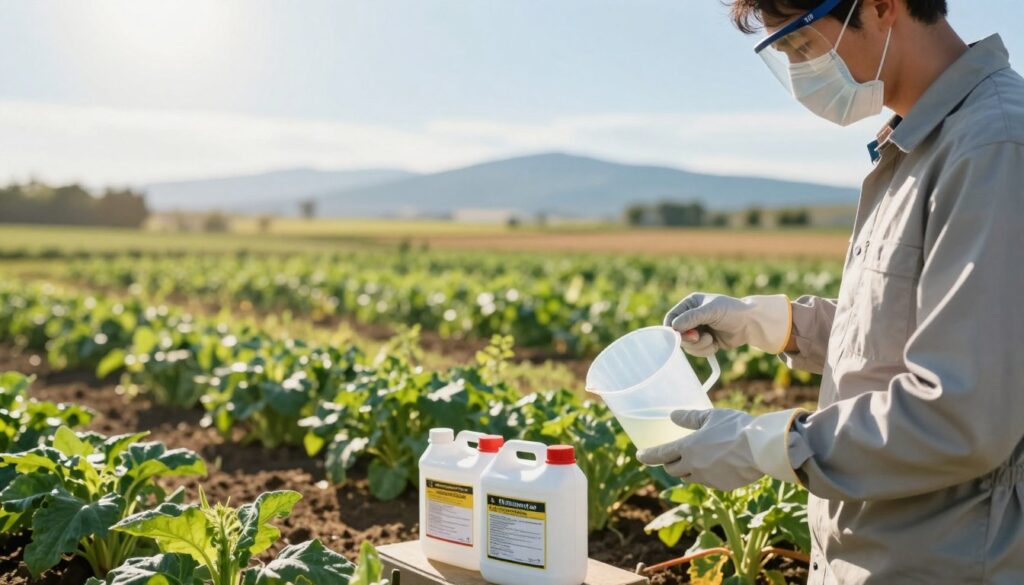
When using chemical weed killers, safety first. Wear: weed in Petra
- Chemical-resistant gloves
- Eye protection
- A respirator mask
Keep chemicals safe and away from kids and pets. After use, keep areas off-limits for the time suggested to keep everyone safe.
| Herbicide Type | Target Weeds | Active Ingredient |
|---|---|---|
| Selective | Broadleaf Weeds | 2,4-D |
| Non-Selective | All Weeds | Glyphosate |
| Pre-Emergent | Annual Weeds | Prodiamine |
Organic Weed Control Methods weed in Petra
Choosing organic weed control helps your garden and the planet. These methods are gentle but work well. They’re great for families, pets, and the environment. You’ll find natural herbicides, their benefits, and DIY recipes to fight weeds.
Natural Herbicides to Try
There are many natural herbicides to fight weeds. Here are a few:
- Horticultural Vinegar: This vinegar is strong. It kills young weeds on sunny days.
- Corn Gluten Meal: It stops weed seeds from growing in your lawn.
- Boiling Water: Pour boiling water on weeds in cracks or driveways. It kills them without harming the soil.
Benefits of Organic Solutions
Organic weed control has many benefits:
- Soil Health: It makes the soil healthier by helping good bugs.
- Safety: It’s safer for your family and pets than chemicals.
- Environmental Protection: It protects good insects and the ecosystem.
DIY Weed Control Recipes
Make your own weed control solutions. It’s fun and works well. Here are two easy recipes:
- Soap-Vinegar Spray: Mix 1 cup of vinegar with 1 tablespoon of dish soap. The soap makes it stick to weeds better.
- Homemade Salt Solution: Mix 1 cup of salt with 2 cups of water. Use it where you don’t want anything to grow.
These solutions let you manage weeds safely and well. Organic weed control makes your garden healthy and green.
Engaging in Regular Lawn Maintenance
A well-maintained lawn keeps weeds away. Regular care makes your yard look great and keeps weeds from growing. A thick, healthy lawn can fight off unwanted plants.
Mowing Practices to Discourage Weeds
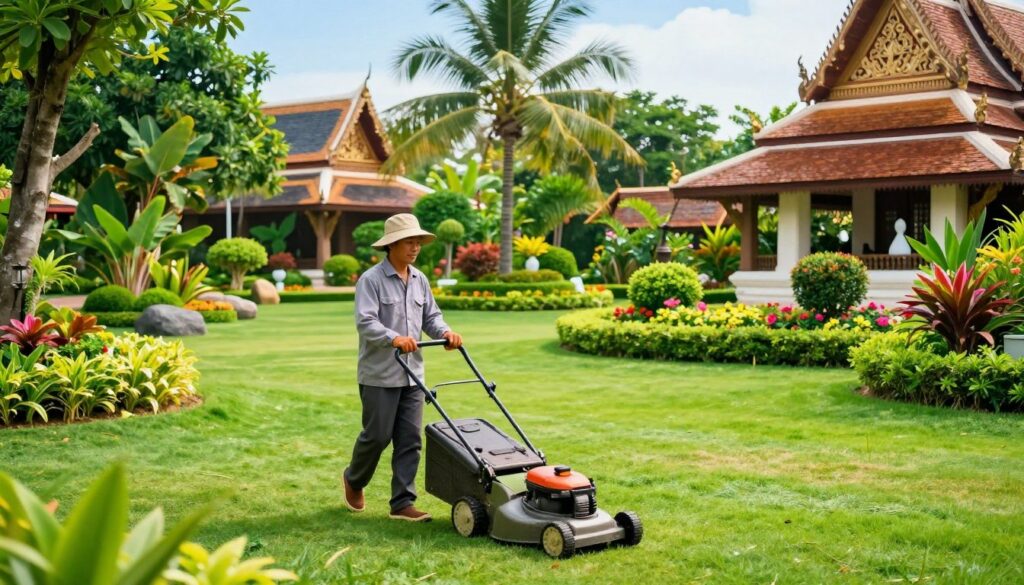
Mowing is key for lawn care. Cut your grass to the right height for your type. For warm-season grasses, cut it to 2.5 to 3 inches.
This height helps the grass grow strong roots. It also makes the lawn dense, shading the soil.
Always follow the “one-third rule” when mowing. Never cut more than one-third of the grass height at once. Cutting too much can stress the grass and let weeds grow.
Fertilization to Promote Healthy Grass
Fertilizing is vital for a healthy lawn in Thailand. A well-fed lawn fights weeds better. Use a balanced fertilizer that matches your grass type.
Apply fertilizer before the rainy season to help your lawn grow. Healthy grass is your best defense against weeds.
Watering Tips for Weed Prevention
Watering is important for a lively lawn. But, how you water is key. Water deeply but infrequently to help roots grow deep.
Water about 1 to 1.5 inches per week. This makes your grass strong and less likely to let weeds grow. By watering right, you can keep weeds out naturally.
Landscaping Strategies to Minimize Weeds
Designing your garden to prevent weeds can make it thrive. Smart landscaping can suppress weeds naturally. Let’s look at some ways to make your garden beautiful and easy to care for.
Designing Your Garden Layout
One key to less weeds is a well-thought-out garden design. Make sure there’s no empty space by filling beds with plants. This way, weeds can’t grow.
Use living mulch with ground covers to keep weeds away. These plants make your garden look good and block weeds. Plan your garden so plants work well together, making a strong ecosystem.
Choosing the Right Plants
Picking the right plants is key to stopping weeds. Choose native plants that grow strong and push weeds out. Plants that spread or grow tall can cover the ground, stopping weeds.
But watch out for invasive plants. They can take over your garden and cause more weed problems. Instead, pick plants that do well in your area and look good.
Installing Barriers and Edging
Using barriers is a smart way to keep weeds out. A deep edge, like steel or plastic, stops weeds from spreading. This saves you time and effort.
Also, put landscape fabric under paths or rock areas. It blocks weeds forever, so you can enjoy your garden without upkeep. A well-planned garden is not just pretty. It’s also sustainable and fights weeds.
“Smart landscaping is a long-term, low-effort strategy for minimizing weeds.”
Seeking Professional Help for Large Infestations
Dealing with weeds can be tough. If weeds are taking over or your land is hard to work on, get help. Professional weed removal in Hat Yai can save you time and effort.
Know when you need experts. If weeds like cogon grass spread fast, or you want a new lawn, get help. They have the skills and tools for big problems.
Choosing the right service is key. Make sure they are licensed and insured. Ask about their methods, like integrated pest management. A good service will have a plan and happy customers nearby.
Prices vary based on your land size and weed problem. Services might include a first clean and then regular upkeep. Knowing this helps you make a smart choice. With the right help, you can have a weed-free outdoor space.
Hey readers , I’m currently in Hat Yai and was wondering if anyone knows where I might be able to find some good weed. Any recommendations or local insights would be greatly appreciated.
You might want to check out Cannabis Buffs They have the best stuff . He sells top-shelf weed and other stuff at moderate prices, I highly recommend him.
Just send him an email at buffscannabis@gmail.com
Telegram ( t.me/cannabisbuff )
Note: He does not have channel and make sure you contact his telegram thesame as on the link above.
easy communication with cannabis buffs and very quality products. also get product in a reasonable amount of time
I love the strains they offer . I have ordered twice and the product is great. Everything arrives discreet and rather quickly after you order! I’m happy I found this cannabis buffs ! Going to try their shrooms in the near future!
Really trust this cannabis buffs . I haven’t received anything i haven’t liked. I loved everything I ordered. delivery super fast and reliable!
Generally arrives prior to estimate. Generous deals. Great size flower. Can’t beat the price.
recommend for sure
t.me/cannabisbuff