
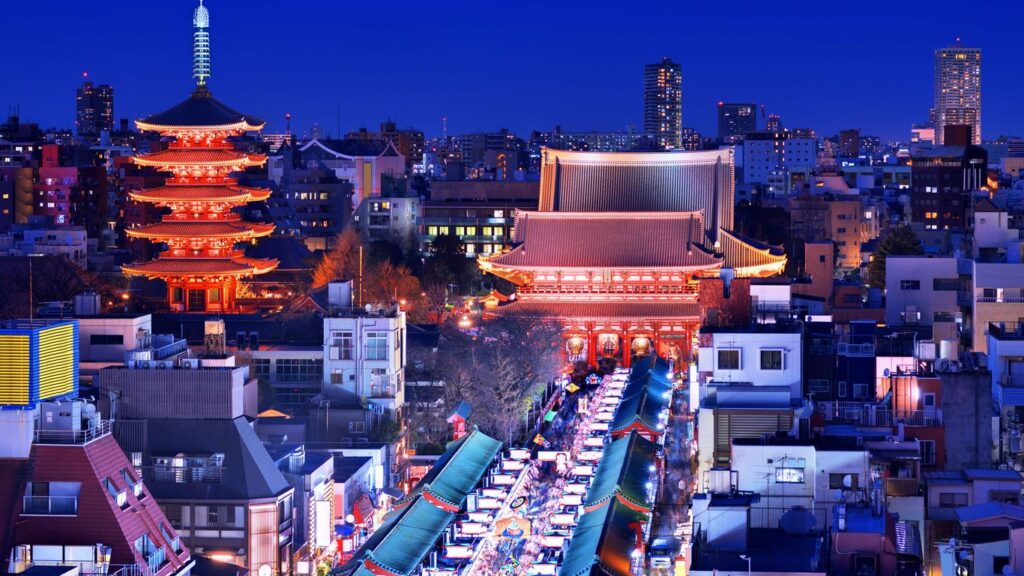
Weed in Tokyo: Cannabis Laws, Culture, Risks, and the Reality of Marijuana in Japan’s Capital
Tokyo is one of the most advanced and fascinating cities in the world. Known for its neon-lit streets, cutting-edge technology, ancient traditions, fashion districts, anime culture, and world-famous cuisine, Tokyo attracts millions of travelers every year. From the busy scramble crossing at Shibuya Crossing to the historic grounds of Sensō-ji, the city offers a unique blend of modernity and tradition unlike anywhere else on Earth.
As global cannabis laws continue evolving, many travelers naturally become curious about weed in Tokyo. Some visitors arrive from countries where marijuana is legal or socially accepted and wonder whether Japan has also become more relaxed. Others hear rumors online suggesting cannabis is quietly common among younger Japanese people or nightlife communities.
The reality is very different.
Japan has some of the strictest cannabis laws in the developed world, and authorities treat marijuana offenses seriously. While cannabis does exist privately in some underground circles, Tokyo is not a cannabis-friendly destination, and misunderstandings about the law can lead to severe consequences for both locals and tourists.
This article explores weed in Tokyo in detail — including Japanese cannabis laws, social attitudes, nightlife culture, police enforcement, tourism misconceptions, medical cannabis developments, and the real risks travelers should understand before visiting Japan.
Cannabis Laws in Japan
Cannabis is illegal in Japan under the Cannabis Control Act, which has existed since 1948.
The law prohibits:
- Possession of marijuana
- Use of cannabis products
- Cultivation without authorization
- Importation or exportation
- Distribution or sale
Japan’s drug laws are enforced extremely seriously compared to many Western countries.
Even small amounts of cannabis can result in:
- Arrest
- Detention
- Criminal charges
- Deportation for foreigners
- Prison sentences
- Permanent criminal records
Japanese authorities maintain a zero-tolerance attitude toward recreational marijuana.
Unlike some countries, there is little distinction socially between “soft drugs” and “hard drugs.” Cannabis is often viewed publicly as a dangerous illegal substance rather than a socially acceptable recreational product.
Cannabis and Japanese Society
Public attitudes toward marijuana in Japan are generally conservative.
Several factors shape this perspective:
- Strong anti-drug education
- Cultural emphasis on social responsibility
- Strict law enforcement
- Media portrayals of drug offenses
- Concern about social shame and reputation
In Japan, being associated with drugs can seriously damage:
- Careers
- Public image
- Social relationships
- Educational opportunities
When celebrities or public figures are arrested for cannabis possession, the scandal often becomes national news and may result in lost sponsorships, canceled appearances, and public apologies.
This reflects how seriously society treats drug-related offenses.
Cannabis Culture in Tokyo
Despite strict laws, cannabis does exist in parts of Tokyo, particularly within small underground circles.
Cannabis may appear in:
- Certain nightlife scenes
- Underground music communities
- Some youth subcultures
- Private social gatherings
However, cannabis culture in Tokyo is extremely discreet compared to cities in Europe or North America.
There are:
- No legal dispensaries
- No cannabis cafés
- No public weed lounges
- No tolerance zones for marijuana use
Most users who consume cannabis in Japan do so very privately because of the serious legal and social risks.
Weed and Tokyo Nightlife
Tokyo has one of the world’s most exciting nightlife scenes, ranging from luxury cocktail bars and karaoke venues to underground clubs and late-night music events.
Areas such as:
- Shibuya
- Shinjuku
- Roppongi
- Koenji
are famous for nightlife and youth culture.
While cannabis may exist privately within certain underground circles, it is not openly integrated into Tokyo nightlife.
Public marijuana use is extremely uncommon because:
- Police presence is strong
- Social stigma is high
- Legal consequences are severe
Tourists should never assume that nightlife environments mean cannabis is tolerated.
Police Enforcement in Tokyo
Japanese police take drug offenses seriously.
Authorities may conduct:
- Street patrols
- Identity checks
- Drug investigations
- Club inspections
- Airport screenings
If someone is caught with marijuana, even in small amounts, arrest is highly possible.
One major difference between Japan and some Western countries is the criminal justice process itself. Suspects may face:
- Long interrogations
- Detention periods before trial
- Significant legal pressure
Foreign nationals arrested for drug offenses may also face:
- Deportation
- Entry bans
- Visa problems
Japan’s legal system places strong emphasis on confession and accountability, making drug charges particularly stressful for foreigners unfamiliar with local law.
Cannabis and Tourism Misconceptions
Many travelers mistakenly assume that because Tokyo is modern and globally connected, attitudes toward cannabis must be becoming more liberal.
This assumption often comes from comparisons with:
- Canada
- Parts of the United States
- Thailand
- European cities with decriminalization systems
However, Japan remains one of the strictest developed nations regarding marijuana.
Tokyo is not:
- A cannabis tourism destination
- A legal weed city
- A place with tolerated public use
Tourists who assume otherwise can place themselves in serious legal danger.
CBD and Cannabis-Derived Products
Japan does allow certain CBD products under strict regulation.
Legal CBD products generally:
- Must contain no THC
- Are heavily regulated
- Are sold in specialized stores or wellness shops
However, Japan’s cannabis laws are so strict that even trace THC contamination can create legal issues.
Travelers should never bring:
- THC vape cartridges
- Edibles containing THC
- Cannabis flower
- Concentrates
- Medical marijuana products
into Japan.
Products legally purchased abroad may still be illegal under Japanese law.
Airports and Border Security
Japan maintains strict customs and airport enforcement.
Major entry points such as:
- Narita International Airport
- Haneda Airport
have strong drug detection procedures.
Attempting to bring cannabis into Japan can lead to:
- Arrest
- Detention
- Criminal prosecution
- Deportation
Even small amounts can trigger serious consequences.
Foreign visitors sometimes underestimate how aggressively Japan enforces drug importation laws.
Cannabis and Japanese Youth
Younger generations in Japan have somewhat more exposure to global cannabis discussions through:
- Social media
- Music culture
- Streaming platforms
- International travel
As a result, some younger people hold more relaxed private opinions about marijuana than older generations.
Still, public support for legalization remains far lower than in many Western countries.
Cannabis activism in Japan exists but remains limited and politically marginal.
Medical weed in Tokyo
Japan has historically maintained extremely strict rules even regarding medical cannabis.
However, discussions around medical cannabis have slowly evolved in recent years, especially for:
- Epilepsy treatments
- Certain pharmaceutical products
- Scientific research
Despite these developments, Japan still does not have a broad medical marijuana system like:
- Canada
- Germany
- Many U.S. states
Medical access remains tightly restricted.
Celebrity Arrests and Social Impact
One reason cannabis remains highly stigmatized in Japan is the intense media attention surrounding celebrity drug arrests.
When actors, musicians, or athletes are arrested for marijuana possession:
- Television networks report extensively on the case
- Sponsors may cancel contracts
- Careers can collapse quickly
- Public apologies are often expected
This reinforces the idea that cannabis use is socially unacceptable.
Cannabis and Organized Crime Concerns
Japanese authorities also connect cannabis with broader concerns about organized crime and illegal trafficking networks.
Law enforcement efforts often focus on:
- Drug smuggling
- International trafficking
- Underground distribution networks
Because of this, authorities view drug enforcement as part of maintaining social order and public safety.
The Difference Between Tokyo and Legal Cannabis Cities
Some travelers compare Tokyo with cities like:
- Amsterdam
- Los Angeles
- Bangkok
But the legal and cultural differences are enormous.
Unlike those cities, Tokyo has:
- No recreational cannabis system
- No decriminalization
- No tolerance policy
- Strong social stigma
Understanding this difference is essential for visitors.
Safety Advice for Visitors
If you are traveling to Tokyo, caution is extremely important regarding cannabis.
Never Bring Cannabis Into Japan
Even legal products from abroad can lead to arrest.
Avoid Public Consumption Completely
Public marijuana use is highly risky.
Do Not Assume Western Attitudes Apply
Japanese laws and social norms are very different.
Avoid Illegal Purchases
Underground drug markets carry major legal and personal risks.
Understand the Consequences
Drug offenses can affect visas, future travel, employment, and legal status.
Beyond Cannabis: The Real Tokyo Experience
Although some travelers are curious about weed in Tokyo, the city’s true appeal lies elsewhere.
Visitors come for:
- Shibuya Crossing
- Sensō-ji
- Sushi and ramen culture
- Anime and gaming districts like Akihabara
- Fashion scenes in Harajuku
- Cherry blossom season
- High-tech shopping and entertainment
- Temples, gardens, and traditional culture
Tokyo offers one of the richest urban experiences in the world without any connection to cannabis culture.
Conclusion
Tokyo represents one of the strictest cannabis environments among major global cities. Recreational marijuana is illegal, public attitudes remain conservative, and law enforcement treats drug offenses seriously.
Although cannabis exists privately within some underground circles, Tokyo is not a cannabis-tolerant destination, and tourists should never assume marijuana laws resemble those in North America or parts of Europe.
At the same time, global conversations about cannabis are slowly influencing younger generations and medical research discussions in Japan. However, large-scale legalization or decriminalization does not appear close in the near future.
For now, visitors should focus on what truly makes Tokyo extraordinary: its culture, food, technology, fashion, history, and unmatched energy as one of the world’s greatest cities.
Hey readers , I’m currently in Tokyo and was wondering if anyone knows where I might be able to find some good weed. Any recommendations or local insights would be greatly appreciated.
You might want to check out Cannabis Buffs They have the best stuff . He sells top-shelf weed and other stuff at moderate prices, I highly recommend him.
Just send him an email at buffscannabis@gmail.com
Telegram ( t.me/cannabisbuffs )
Note: He does not have channel and make sure you contact his telegram thesame as on the link above.
I love the strains they offer . I have ordered twice and the product is great. Everything arrives discreet and rather quickly after you order! I’m happy I found this cannabis buffs ! Going to try their shrooms in the near future!
easy communication with cannabis buffs and very quality products. also get product in a reasonable amount of time
Really trust this cannabis buffs . I haven’t received anything i haven’t liked. I loved everything I ordered. delivery super fast and reliable!
Generally arrives prior to estimate. Generous deals. Great size flower. Can’t beat the price.
recommend for sure
t.me/cannabisbuffs