
Weed in Grand Cayman Island: Laws, Culture, Tourism, and the Reality of Cannabis in the Caribbean
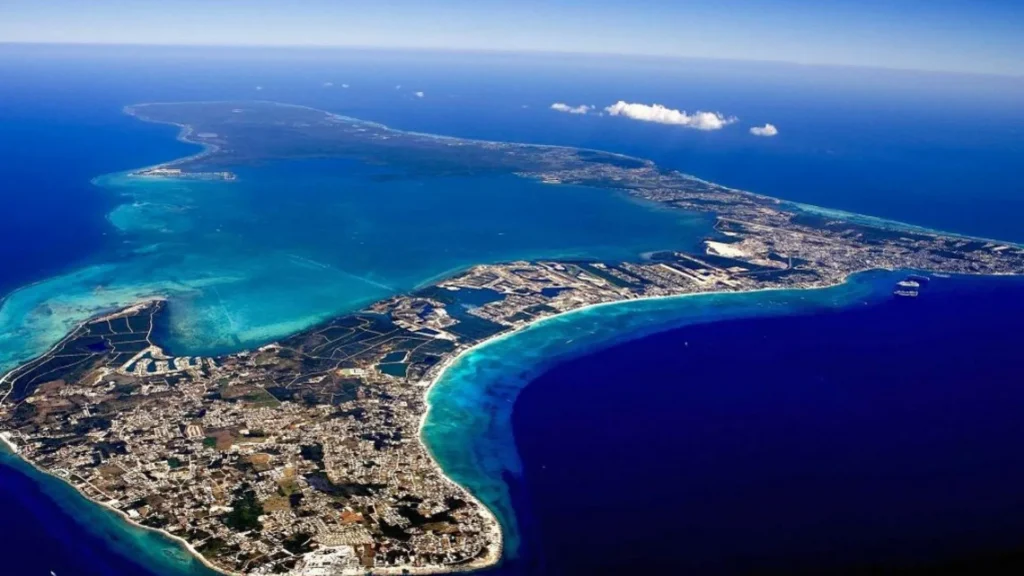
The Grand Cayman is famous for crystal-clear water, luxury resorts, coral reefs, white-sand beaches, and one of the strongest tourism economies in the Caribbean. As the largest of the three Cayman Islands, Grand Cayman attracts travelers from around the world seeking tropical beauty, diving adventures, financial luxury, and relaxed island living.
With the global shift toward cannabis reform in recent years, many visitors arrive wondering about marijuana laws and Weed in Grand Cayman Island Islands. Some assume that because the Caribbean is associated with laid-back lifestyles and reggae culture, weed must be widely accepted or legalized throughout the region. However, each Caribbean nation and territory has its own legal framework and cultural attitudes toward cannabis.
In Grand Cayman, the reality is more nuanced than tourists often expect.
Cannabis laws have evolved in recent years, especially regarding medical marijuana and small possession penalties, but recreational weed remains illegal. At the same time, cannabis has become more visible socially, particularly as global legalization trends continue influencing public attitudes and tourism conversations.
This article explores the legal status of weed in Grand Cayman, cannabis culture on the island, tourism misconceptions, safety considerations, medical marijuana developments, and the future of weed reform in the Cayman Islands.
Understanding the Cayman Islands
The Cayman Islands is a British Overseas Territory located in the western Caribbean Sea. The territory consists of three islands:
- Grand Cayman
- Cayman Brac
- Little Cayman
Grand Cayman is by far the largest and most developed island, home to the capital city George Town and most of the country’s tourism infrastructure.
The Cayman Islands are internationally known for:
- Luxury tourism
- Offshore banking and finance
- Diving and snorkeling
- Cruise tourism
- High-end resorts and restaurants
- Beaches such as Seven Mile Beach
Because of the islands’ strong connection to international tourism, visitors often compare local cannabis laws to those in nearby Caribbean destinations or North American regions where marijuana has become legal. But Grand Cayman maintains a much stricter legal approach than many travelers realize.
Is Weed Legal in Grand Cayman?
Recreational marijuana remains illegal in the Cayman Islands.
However, the territory has introduced reforms over the years that reduced penalties for small amounts and established limited medical cannabis access.
Today, possession of small quantities of cannabis may result in fines rather than imprisonment under certain circumstances. This process is often referred to as “decriminalization,” but it is important to understand what that actually means.
Decriminalization does not equal legalization.
Cannabis is still illegal recreationally. Police can still stop individuals, issue penalties, and take legal action depending on the situation.
For tourists, the distinction matters greatly.
Visitors sometimes misunderstand decriminalization as permission to smoke openly or carry marijuana freely. In reality, tourists can still face fines, legal consequences, or immigration complications if caught violating local drug laws.
Medical weed in the Cayman Islands
One of the biggest cannabis policy changes in the Cayman Islands involved medical marijuana legalization.
The territory legalized medical cannabis under regulated circumstances, allowing licensed doctors to prescribe cannabis-based treatments for certain medical conditions. Products containing low THC levels and therapeutic cannabis extracts became legally accessible through approved channels.
Medical cannabis reform reflected broader global trends as governments increasingly recognized marijuana’s potential therapeutic benefits.
Still, the medical system in the Cayman Islands remains relatively limited compared to major medical cannabis markets like Canada or parts of the United States.
Importantly, recreational dispensaries do not operate openly across Grand Cayman.
Tourists should not expect legal cannabis cafés, weed shops, or dispensary tourism similar to places such as Amsterdam, California, or Canada.
Cannabis Culture in Grand Cayman
Compared to some Caribbean destinations, Grand Cayman has a more conservative public culture surrounding marijuana.
Cannabis certainly exists on the island, and some locals and visitors use it privately, but it is not openly integrated into tourism branding or public nightlife in the same way seen in certain other beach destinations.
The Cayman Islands have historically prioritized a clean, upscale international image focused on luxury tourism, finance, and family-friendly travel. Because of this, authorities tend to take public order and tourism reputation seriously.
Visitors looking for visible cannabis tourism scenes may find Grand Cayman far more restrained than expected.
Weed and Tourism Misconceptions
Many tourists arrive in the Caribbean assuming marijuana is easy to obtain everywhere because of stereotypes associated with island culture, reggae music, and beach lifestyles.
This misconception often causes problems.
Grand Cayman is not a cannabis tourism destination. Recreational weed remains illegal, and openly searching for marijuana can expose visitors to unnecessary legal or safety risks.
Some travelers make the mistake of:
- Asking strangers for weed
- Attempting street purchases
- Smoking publicly near beaches or hotels
- Assuming police ignore tourists
These assumptions can quickly create trouble.
The Cayman Islands depend heavily on tourism revenue, which means authorities work hard to maintain safety and public order. Law enforcement in tourist areas can be strict, especially when protecting the islands’ international reputation.
Public Consumption and Enforcement
Even with reduced penalties for small possession amounts, public cannabis use remains risky.
Smoking weed openly at beaches, resorts, restaurants, or public spaces can attract police attention. Areas heavily visited by tourists, including Seven Mile Beach, are regularly monitored.
Enforcement may vary depending on circumstances, but inconsistency should never be mistaken for legality.
Tourists should also understand that the Cayman Islands maintain strong anti-drug enforcement policies overall, particularly regarding trafficking and importation.
Attempting to bring marijuana into the country through airports or cruise terminals is extremely risky and can lead to severe legal consequences.
Cruise Ship Tourism and Weed in Grand Cayman Island Risks
Grand Cayman is one of the Caribbean’s most popular cruise destinations.
Thousands of cruise passengers arrive daily through ports near George Town, many coming from places where cannabis laws are more relaxed.
This creates confusion for some travelers.
Visitors from parts of the United States or Canada where weed is legal may mistakenly believe carrying cannabis products while traveling internationally is acceptable. However, international borders operate under local law, not the laws of a traveler’s home region.
Bringing cannabis products into the Cayman Islands — including edibles, vape cartridges, or medical marijuana without proper authorization — can result in serious legal problems.
Cruise passengers are particularly vulnerable because customs and security inspections are routine.
Weed and Beach Culture
Grand Cayman’s beach culture is centered around relaxation, water sports, diving, and luxury tourism rather than open cannabis scenes.
While private cannabis use certainly occurs quietly among some residents and visitors, public marijuana culture is relatively discreet compared to destinations with stronger party reputations.
Many tourists expecting a “smoke-friendly island paradise” discover that Grand Cayman feels more polished and regulated than certain neighboring destinations.
The island’s tourism economy focuses heavily on:
- Families
- Honeymoon travelers
- Luxury tourists
- Financial professionals
- Cruise passengers
This influences how authorities and businesses approach public cannabis behavior.
Social Attitudes Toward Cannabis
Public attitudes toward marijuana in the Cayman Islands have slowly evolved over time.
Younger generations and some progressive groups increasingly support broader cannabis reform, especially regarding:
- Medical access
- Reduced criminal penalties
- Economic opportunities
- Personal freedoms
At the same time, conservative viewpoints remain influential within Caymanian society.
Religious traditions, public safety concerns, and worries about preserving the islands’ international image continue shaping debates around legalization.
As a result, cannabis reform in the Cayman Islands has generally moved cautiously and gradually rather than rapidly.
The Underground Cannabis Market
Because recreational marijuana remains illegal, Weed in Grand Cayman Island still operates largely underground.
Tourists attempting to buy weed illegally face several risks:
- Overpriced products targeting visitors
- Poor-quality cannabis
- Police attention
- Scams or theft
- Connections to criminal activity
Unlike legal cannabis markets with regulated dispensaries and product testing, underground purchases offer no guarantees regarding safety or quality.
Visitors unfamiliar with local dynamics can easily place themselves into uncomfortable or risky situations while trying to obtain marijuana.
Cannabis and the Caribbean Stereotype
One reason many travelers misunderstand Grand Cayman’s cannabis reality is because of broader stereotypes about the Caribbean.
Popular culture often portrays Caribbean islands as universally relaxed toward marijuana. Music, films, and tourism marketing sometimes reinforce this image.
But the Caribbean is incredibly diverse politically and culturally.
Each nation or territory has its own:
- Drug laws
- Law enforcement priorities
- Tourism strategies
- Cultural values
- Political debates
Some Caribbean countries have embraced broader cannabis reforms, while others remain far stricter.
Grand Cayman falls closer to the cautious and conservative side of that spectrum.
The Future of Cannabis Reform in the Cayman Islands
Cannabis reform discussions continue evolving globally, and the Cayman Islands are unlikely to remain untouched by those trends.
Several factors may influence future policy changes:
- Global legalization movements
- Medical cannabis expansion
- Tourism competition
- Economic diversification
- Public opinion shifts
Some supporters argue that regulated cannabis industries could create economic opportunities and reduce unnecessary criminalization.
Others worry legalization could harm the Cayman Islands’ luxury image or create public health and safety challenges.
For now, major recreational legalization does not appear imminent, but gradual reform discussions are likely to continue over time.
Safety Advice for Visitors
Travelers visiting Grand Cayman should approach cannabis-related decisions carefully and responsibly.
Understand Local Laws
Recreational marijuana remains illegal even if small possession penalties have changed.
Do Not Import Cannabis
Never attempt to bring weed, edibles, or THC products through airports or cruise terminals.
Avoid Public Smoking
Public use can still result in police attention or fines.
Be Cautious of Street Offers
Illegal purchases create safety and legal risks.
Respect Local Culture
Not all residents support cannabis tourism or public marijuana use.
Focus on the Island Experience
Grand Cayman offers world-class beaches, diving, food, marine life, and luxury experiences that go far beyond cannabis culture.
Beyond Weed: What Makes Grand Cayman Special
Although marijuana conversations increasingly appear among travelers, the true appeal of Grand Cayman lies in its natural beauty and high-quality tourism experiences.
Visitors come for:
- The famous waters of Seven Mile Beach
- Diving reefs and shipwrecks
- Stingray encounters at Stingray City
- Luxury resorts and spas
- Caribbean cuisine
- Snorkeling and boating
- Calm tropical weather
- Relaxed island atmosphere
For most travelers, these experiences become far more memorable than seeking illegal cannabis in a destination where marijuana laws remain restrictive.
Conclusion
Grand Cayman represents a unique blend of Caribbean beauty, luxury tourism, and conservative island governance. While cannabis laws have evolved through decriminalization measures and medical marijuana reforms, recreational weed remains illegal throughout the Cayman Islands.
Cannabis culture exists quietly on the island, but Grand Cayman is not a fully developed cannabis tourism destination. Visitors expecting legal dispensaries, open smoking culture, or relaxed enforcement similar to some North American regions may misunderstand the local reality.
Tourists should recognize that marijuana laws still carry real consequences, especially regarding public use, illegal purchases, or importing cannabis products into the country.
As global attitudes toward cannabis continue changing, the Cayman Islands may gradually revisit their policies over time. But today, Grand Cayman remains a place where caution, respect for local law, and awareness of cultural expectations are essential for travelers navigating the subject of weed in this beautiful Caribbean destination.
Hey readers , I’m currently in Grand Cayman and was wondering if anyone knows where I might be able to find some good weed. Any recommendations or local insights would be greatly appreciated.
You might want to check out Cannabis Buffs They have the best stuff . He sells top-shelf weed and other stuff at moderate prices, I highly recommend him.
Just send him an email at buffscannabis@gmail.com
Telegram ( t.me/cannabisbuffs )
Note: He does not have channel and make sure you contact his telegram thesame as on the link above.
I love the strains they offer . I have ordered twice and the product is great. Everything arrives discreet and rather quickly after you order! I’m happy I found this cannabis buffs ! Going to try their shrooms in the near future!
easy communication with cannabis buffs and very quality products. also get product in a reasonable amount of time
Really trust this cannabis buffs . I haven’t received anything i haven’t liked. I loved everything I ordered. delivery super fast and reliable!
Generally arrives prior to estimate. Generous deals. Great size flower. Can’t beat the price.
recommend for sure
t.me/cannabisbuffs