
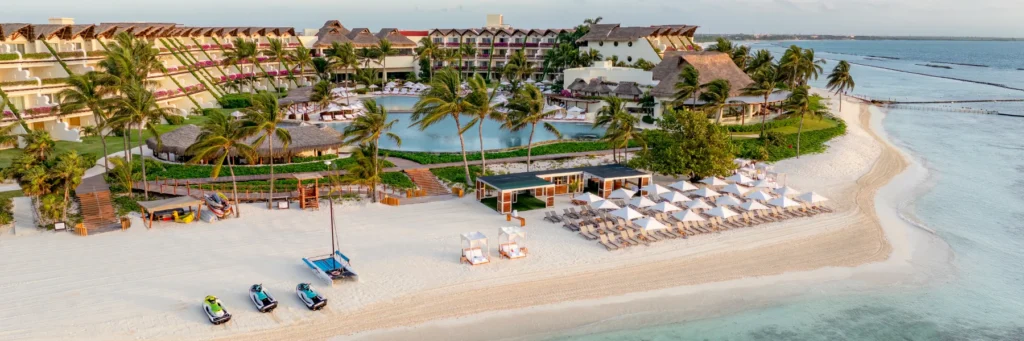
Weed in Riviera Maya: Cannabis Culture, Laws, Tourism, and What Travelers Should Know
The Riviera Maya is one of the most famous tropical destinations in the world. Stretching along the Caribbean coastline of Mexico’s Yucatán Peninsula, the region is known for turquoise water, white-sand beaches, luxury resorts, jungle landscapes, nightlife, cenotes, and ancient Mayan ruins. Popular destinations such as Tulum, Playa del Carmen, and Cancún attract millions of international visitors every year.
Alongside the beach clubs, yoga retreats, music festivals, and backpacker culture, cannabis has also become part of the Riviera Maya’s tourism conversation. Many travelers arrive wondering whether weed is legal, easy to find, socially accepted, or safe to use while visiting the region.
The reality is more complex than social media often suggests.
Weed in Riviera Maya exists in a legal gray area shaped by changing Mexican laws, tourism culture, police enforcement, and local realities. While marijuana is more visible today than it was a decade ago, recreational cannabis remains legally complicated, and tourists should understand the risks before assuming the region is cannabis-friendly in the same way as parts of Canada, the United States, or Europe.
This article explores the cannabis culture of Riviera Maya, the current legal situation in Mexico, local attitudes, tourist misconceptions, safety concerns, and what the future may hold for marijuana reform in this globally famous destination.
Understanding weed Laws in Mexico
Mexico has gone through major cannabis policy discussions in recent years, leading to widespread confusion among travelers.
For years, cannabis possession in Mexico was strictly illegal. However, court rulings and reforms gradually shifted the legal landscape. Mexico’s Supreme Court ruled that prohibiting personal cannabis consumption was unconstitutional, creating momentum toward legalization.
Today, personal possession of small amounts of marijuana has effectively been decriminalized in some circumstances, but recreational cannabis sales are not fully regulated nationwide in the way many tourists expect.
This means several important things:
- Cannabis is not fully legalized commercially across Mexico.
- There are no officially widespread legal dispensaries for tourists.
- Public consumption can still lead to police attention.
- Buying or selling weed outside legal channels remains risky.
Many travelers mistakenly believe Mexico fully legalized marijuana nationwide. In reality, the country is still navigating a complicated transition involving court decisions, legislation debates, and inconsistent enforcement.
For tourists visiting Riviera Maya, this distinction matters greatly.
weed and Tourism in Riviera Maya
Tourism culture has played a huge role in shaping weed visibility in Riviera Maya.
Destinations like Tulum became internationally known for bohemian lifestyles, eco-resorts, beach parties, wellness retreats, and nightlife scenes that attract younger travelers from around the world. In these environments, cannabis use sometimes appears normalized socially.
Beach clubs, music events, backpacker hostels, and nightlife districts may expose visitors to open or semi-open marijuana use. The smell of cannabis is not unusual in some tourist-heavy areas, especially during festivals or parties.
However, social visibility does not mean legal safety.
Tourists often assume that because people appear relaxed about marijuana, authorities no longer care. But enforcement in Mexico can be inconsistent. What seems tolerated one day may become a problem the next.
Visitors should avoid assuming Riviera Maya operates like Amsterdam or California.
Tulum and Cannabis Culture
Among Riviera Maya destinations, Tulum has become especially associated with cannabis-friendly tourism culture.
Over the past decade, Tulum transformed from a relatively quiet beach town into a global hotspot for influencers, digital nomads, wellness travelers, electronic music fans, and luxury tourism. Alongside this transformation came a more visible party scene where cannabis often appears casually integrated into social environments.
At beach gatherings, rooftop events, and music festivals, marijuana use may seem common. Some tourists openly discuss finding weed through taxi drivers, nightlife contacts, or informal networks.
But appearances can be misleading.
Despite its relaxed image, Tulum still operates under Mexican law. Police patrol tourist areas regularly, and drug-related interactions between tourists and authorities are not uncommon.
Some travelers report situations involving fines, intimidation, or bribe requests after being caught with cannabis. Even small possession can create stressful encounters, especially for foreigners unfamiliar with local legal systems.
Playa del Carmen and Nightlife
Playa del Carmen offers a different atmosphere from Tulum. Known for its busy nightlife, shopping streets, beach bars, and resort tourism, Playa attracts both party-focused visitors and family travelers.
Cannabis culture exists here too, particularly around nightlife districts and backpacker communities. However, law enforcement presence can be stronger in crowded tourist zones.
Police monitoring increases during holidays, festivals, and nightlife events. Tourists attempting to buy weed from strangers on the street sometimes become targets for scams or police attention.
One of the most common mistakes visitors make is accepting offers from random dealers near tourist hotspots. Beyond legal concerns, this creates personal safety risks involving theft, fake products, or organized criminal activity.
Cancun and Tourist Expectations
Cancún is often viewed primarily as a resort destination, but cannabis is still part of the nightlife culture in certain areas.
Spring break tourism, club scenes, and international party travelers contribute to marijuana visibility around beaches and entertainment zones. However, Cancun authorities are also highly focused on protecting the city’s tourism reputation.
This means drug enforcement can become unpredictable. In heavily visited tourist corridors, authorities may take action quickly if they believe public drug use affects safety or image.
Tourists should understand that being foreign does not provide immunity from local laws.
The Problem of the Underground Market
One of the most important realities about weed in Riviera Maya is that the cannabis market largely remains underground.
Without fully established legal recreational dispensaries, most marijuana still circulates through informal or illegal channels. This creates multiple risks:
- Unverified product quality
- Overpriced sales targeting tourists
- Scams and theft
- Police interactions
- Links to organized crime groups
Mexico has long struggled with violence connected to drug trafficking organizations. While cannabis tourism culture may appear relaxed on the surface, parts of the illegal supply chain remain connected to larger criminal structures.
Tourists seeking weed casually may unknowingly place themselves into unsafe situations.
The romanticized social media image of “smoking on the beach in Tulum” often ignores the realities behind the underground market.
Weed at Festivals and Beach Parties
Riviera Maya hosts numerous music festivals, electronic dance events, wellness retreats, and beach parties throughout the year.
At these gatherings, cannabis use can appear widespread, especially among international tourists. Some events develop reputations for relaxed attitudes toward marijuana and psychedelics.
Still, enforcement can change rapidly depending on location, organizers, or police presence.
Large events often include security monitoring, undercover officers, or searches. Tourists who assume festival environments guarantee safety may be surprised by how quickly situations can escalate if authorities intervene.
The safest approach is understanding that visibility does not equal legality.
Medical Marijuana in Mexico
Mexico has taken important steps toward medical cannabis reform.
Medical marijuana is legal under regulated circumstances, and the country has gradually expanded access to cannabis-based treatments. Discussions surrounding patient rights, pharmaceutical regulation, and medical imports have increased public acceptance of cannabis overall.
However, the medical system is still developing compared to countries with mature medical marijuana industries.
Tourists cannot simply claim “medical use” as protection unless they fully comply with Mexican regulations, and foreign prescriptions may not automatically apply.
Local Attitudes Toward Cannabis
Public opinion on marijuana in Mexico has evolved significantly in recent years.
Younger generations, urban populations, and tourism-driven areas often display more tolerant attitudes toward cannabis. In places like Tulum, marijuana may feel socially integrated into lifestyle culture.
At the same time, conservative attitudes still exist throughout Mexico, particularly regarding public intoxication, crime, and tourism behavior.
Local perceptions can also differ between residents and tourists. Some locals criticize drug-focused tourism for contributing to rising crime, unsafe nightlife environments, or disrespectful visitor behavior.
Understanding and respecting local communities is essential for responsible travel.
Social Media vs Reality
Instagram, TikTok, and travel influencers have heavily shaped international perceptions of Riviera Maya cannabis culture.
Photos of luxury villas, beach sunsets, yoga retreats, and rooftop parties often create the impression that marijuana is openly accepted and consequence-free across the region.
But social media rarely shows:
- Police encounters
- Tourist scams
- Legal complications
- Unsafe purchases
- Corruption issues
- Criminal risks connected to illegal markets
Travelers should avoid building expectations solely from influencer content.
The real Riviera Maya is far more nuanced than curated online imagery suggests.
Safety Tips for Tourists
Visitors curious about cannabis in Riviera Maya should prioritize safety and awareness above assumptions.
Know the Legal Situation
Mexico’s cannabis laws remain complicated and evolving. Recreational use is not fully commercialized nationwide.
Avoid Public Consumption
Smoking openly in tourist zones can attract unwanted police attention.
Never Buy From Random Street Dealers
Street transactions can involve scams, unsafe products, or criminal activity.
Be Careful During Nightlife Events
Alcohol, crowds, and unfamiliar environments can increase vulnerability to theft or legal issues.
Respect Local Communities
Not everyone welcomes cannabis-focused tourism. Responsible behavior matters.
Do Not Transport Cannabis Across Borders
Travelers should never attempt to carry marijuana through airports or international borders, even if coming from places where cannabis is legal.
The Future of Cannabis in Riviera Maya
Mexico appears to be moving gradually toward broader cannabis reform, though progress has been slower and more politically complicated than many expected.
Several factors continue pushing reform discussions forward:
- Public support for legalization
- Economic interest in cannabis industries
- Court rulings supporting personal freedom
- Growth of medical marijuana programs
- Global legalization trends
If recreational legalization eventually becomes fully regulated nationwide, Riviera Maya could become one of Latin America’s major cannabis tourism destinations due to its global popularity and existing tourism infrastructure.
However, as of today, that future has not fully arrived.
Tourists expecting legal dispensaries, protected consumption spaces, or clear cannabis tourism systems will likely find the current reality far less developed.
Beyond Cannabis: The Real Riviera Maya Experience
Although marijuana often becomes part of travel discussions, Riviera Maya offers far more than cannabis culture alone.
The region’s true appeal lies in its extraordinary combination of natural beauty, history, and culture. Visitors can explore:
- Ancient Mayan ruins like Chichén Itzá
- Caribbean beaches
- Underground cenotes
- Jungle excursions
- Snorkeling and diving reefs
- Mexican cuisine
- Eco-parks and wildlife
- Local art and music scenes
For many travelers, the most unforgettable experiences come not from chasing weed, but from fully engaging with the region itself.
Conclusion
Riviera Maya has developed a reputation as one of the world’s most exciting tropical destinations — a place where beach culture, nightlife, wellness tourism, and freedom blend together under the Caribbean sun. Cannabis has naturally become part of that image, especially in hotspots like Tulum and Playa del Carmen.
Yet the reality behind weed in Riviera Maya is far more complicated than social media often portrays.
Cannabis may be socially visible, but Mexico’s legal framework remains incomplete and inconsistent. Recreational marijuana is not fully commercialized, enforcement varies, and underground markets still carry genuine risks.
For travelers, understanding these realities is essential. Respect for local laws, awareness of personal safety, and realistic expectations matter far more than chasing influencer fantasies.
As Mexico continues debating cannabis reform, Riviera Maya may eventually evolve into a more clearly regulated cannabis destination. Until then, visitors should approach the subject carefully, responsibly, and with a full understanding of the legal and cultural landscape surrounding weed in this beautiful corner of the Caribbean.
Hey readers , I’m currently in Riviera Maya and was wondering if anyone knows where I might be able to find some good weed. Any recommendations or local insights would be greatly appreciated.
You might want to check out Cannabis Buffs They have the best stuff . He sells top-shelf weed and other stuff at moderate prices, I highly recommend him.
Just send him an email at buffscannabis@gmail.com
Telegram ( t.me/cannabisbuffs )
Note: He does not have channel and make sure you contact his telegram thesame as on the link above.
I love the strains they offer . I have ordered twice and the product is great. Everything arrives discreet and rather quickly after you order! I’m happy I found this cannabis buffs ! Going to try their shrooms in the near future!
easy communication with cannabis buffs and very quality products. also get product in a reasonable amount of time
Really trust this cannabis buffs . I haven’t received anything i haven’t liked. I loved everything I ordered. delivery super fast and reliable!
Generally arrives prior to estimate. Generous deals. Great size flower. Can’t beat the price.
recommend for sure
t.me/cannabisbuffs