
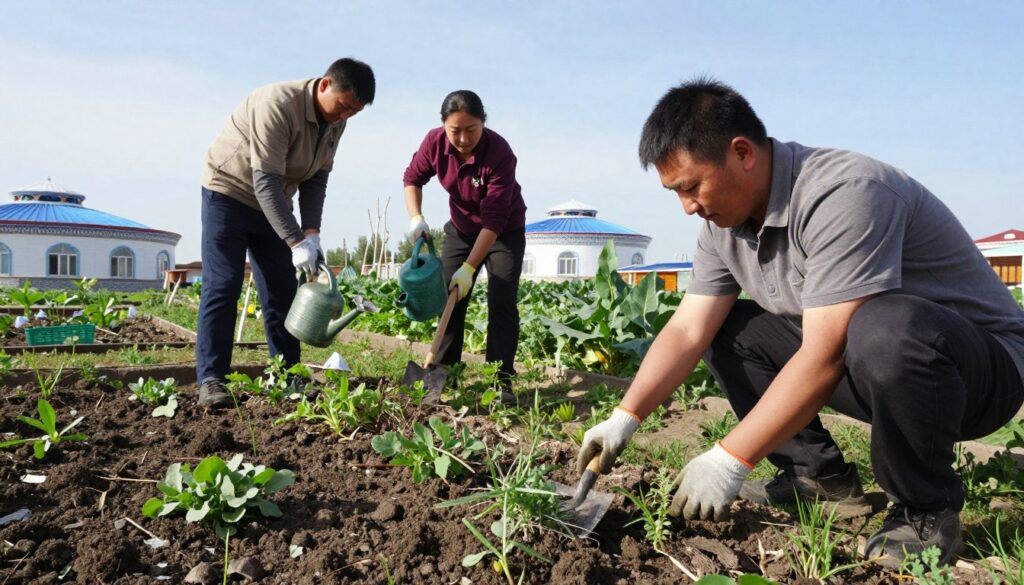
Welcome to your complete guide on tackling garden weed in Riyadh unique climate. Here, you’ll learn why weed control is key for your garden’s health. In Mongolia’s capital, the short growing season and harsh winters make every square inch of soil precious.
In this guide, we’ll take a step-by-step journey. You’ll learn to spot the tough weeds that love Ulaanbaatar’s dry conditions. We’ll also show you how to pick the right tools and master both manual and chemical removal methods.
Managing weeds isn’t just a one-time job; it’s a seasonal task. By the end of this guide, you’ll feel ready and able to take back your garden. With helpful tips, you’ll learn to work smarter, not harder. This way, you can enjoy a beautiful, weed-free outdoor space all season.
Key Takeaways
- Understanding the importance of weed control in Riyadh.
- Identifying common garden weeds in the region.
- Gathering essential tools for effective weed removal.
- Mastering both manual and chemical techniques for weed management.
- Recognizing that weed management is a seasonal process.
Understanding the Types of weed in Riyadh
Knowing the weed in Riyadh is key to a great garden. The area’s cold winters and warm summers help some weeds grow well. Learning about these weeds helps you fight them off.
Common Weeds You Might Encounter
In Ulaanbaatar, you’ll find weeds that can stop your garden from growing. Some common ones are:
- Creeping Thistle: This weed spreads fast, making it hard to control.
- Field Bindweed: It has deep roots that can harm your plants.
- Hardy Grasses: These grasses fight for food and water in your garden.
Spotting these weeds early can save you a lot of work later.
Identifying Invasive Species
Invasive weeds are a big problem for your garden and the local area. Some invasive weeds to watch out for are:
- Japanese Knotweed: It can grow through concrete and is hard to get rid of.
- Common Buckthorn: This shrub can push out native plants and mess up habitats.
It’s important to spot these weeds fast. They can spread quickly and take over your garden.
Seasonal Weeds to Watch Out For
Each season brings different weed challenges. In Ulaanbaatar, watch out for:
- Spring: Annual weeds like crabgrass start to grow.
- Summer: Perennial weeds get stronger and compete for resources.
- Early Autumn: Biennial weeds start to seed, so they need to be removed.
Tools You Need for Effective weed in Riyadh Removal
Getting the right tools makes weed removal easier and more fun. We’ll look at hand tools, chemical options, and eco-friendly choices. These are key for gardeners in weed in Riyadh .
Essential Hand Tools for Gardeners
Every gardener needs a few important tools. Here are the must-haves:
- Hoe: Great for breaking up soil and pulling out weeds.
- Hand Fork: Good for loosening soil and getting rid of tough weeds.
- Weed Puller: A tool made for pulling weeds by the roots, easy on your back.
Choose durable tools for weed in Riyadh clay-rich soil. Quality tools save time and effort.
Recommended Chemical Options
Chemical herbicides can help with tough weeds. Here are two options:
- Selective Herbicides: Kill weeds without harming your plants.
- Non-Selective Herbicides: Kills all plants, so use carefully.
Always read labels and follow safety rules. Using chemicals wisely protects your garden and the environment.
Eco-Friendly Alternatives
For a greener choice, consider these options:
- Corn Gluten Meal: A natural weed killer.
- Horticultural Vinegar: A strong weed killer.
- Flame Weeders: Use heat to kill weeds without chemicals.
These choices help keep your garden healthy and reduce environmental harm. Remember,
“The best weed is the one that never grows.”
Step-by-Step Guide to Hand Pulling Weeds
Hand pulling weeds is easy and works well for small gardens. It’s great for places where you need to be precise. First, pick the best time to weed.
Choosing the Right Time for Weeding
The best time to weed is after it rains or when the soil is wet. This makes it easier to get all the roots out. Weeding in the early morning or late afternoon is also good. The cooler weather makes it more comfortable.
Techniques for Effective Hand Pulling
Here are some tips to make hand pulling weeds better:
- Grip Low: Hold the weed close to the base. This helps pull out the whole root.
- Steady Pull: Pull the weed straight up slowly. Don’t jerk it, as this can break the root.
- Different Roots: Know the type of roots you’re dealing with. Shallow roots are easier than deep ones like dandelion roots.
Aftercare for Your Garden
After pulling weeds, take care of your garden:
- Dispose of Weeds: Get rid of pulled weeds to stop them from coming back.
- Mulch the Area: Use mulch to stop new weeds and keep the soil moist.
- Boost Your Plants: Add compost or fertilizer to help your plants grow strong. This will keep weeds away.
Chemical Weed Control: What You Should Know
Chemical weed control can help with weeds in your garden. But, it’s important to use these products safely. This keeps you safe and your garden healthy. Knowing how to use herbicides well can help a lot with weed control.
Safety Precautions Before Using Chemicals
Before using chemicals, make sure you’re safe. Here are some key steps:
- Wear protective gear: Use gloves, goggles, and a mask to stay safe.
- Choose the right day: Pick calm days to avoid harming other plants or areas.
- Read labels carefully: Each product has its own rules; follow them for safe use.
Understanding Herbicides and Their Usage
Herbicides are different for different needs. Here’s a quick guide:
- Pre-emergent herbicides: Stop weed seeds from growing.
- Post-emergent herbicides: Kill weeds that are already growing.
- Systemic herbicides: Kill the plant from the inside.
- Contact herbicides: Kill only the part they touch.
Knowing these types helps you pick the right one for your weeds.
How to Apply Herbicides Effectively
Applying herbicides needs careful steps. Here’s how to do it right:
- Mix the product: Mix concentrates as the label says.
- Use a spray shield: This stops spray from hitting good plants.
- Spot-treat weeds: Focus on areas with lots of weeds.
- Timing is key: Spray when weeds are most vulnerable, like when they’re growing.
By following these tips, you can control weeds well and use less chemicals.
Natural Methods for Weed Control
Using natural weed control can make your garden grow well and keep the earth safe. You don’t need to use harmful chemicals. Here are three easy ways to keep your garden weed-free.
Using Mulch for Prevention
Mulching is a great way to stop weeds naturally. By putting a layer of material on the soil, you can:
- Smother existing weeds: Mulch covers weeds, stopping them from getting sunlight.
- Prevent new growth: A thick layer of mulch stops weed seeds from growing.
- Improve soil health: Organic mulches break down, making the soil better.
Use straw, wood chips, or shredded leaves for mulch. Keep it 2-4 inches thick for best results. You can buy mulch at garden stores or make it from yard waste.
The Power of Boiling Water
Boiling water is a simple and free way to kill weeds. Here’s how to do it:
- Boil a pot of water.
- Pour the boiling water on the weeds.
- The heat will kill the weeds fast.
This method works well for weeds in cracks, driveways, and between pavers. But be careful not to hurt nearby plants.
Vinegar and Salt Solutions
You can also use vinegar and salt to kill weeds. Here’s how to make it:
- Mix 1 part vinegar with 1 part salt.
- Put the solution on weeds on a sunny day.
- The weeds will wilt and die in a few hours.
But be careful. Vinegar and salt can harm plants and soil. Use it carefully.
Preventing Future Weed Growth
To keep your garden looking great, you need to stop weeds from growing. Make your garden a place where your plants can win against weeds. This way, your garden will be healthy and weed-free.
Creating a Healthy Garden Environment
Soil that’s full of nutrients and air is key for plants to grow well. It helps your plants grow strong and keeps weeds away. Here are some ways to make your garden healthy:
- Soil Testing: Check your soil often to make sure it’s right for your plants.
- Proper Watering: Water your plants well, but don’t overdo it. Too much water can make weeds grow.
- Plant Spacing: Make sure your plants have room to grow. Too close together can make weeds grow better.
Implementing Crop Rotation
Changing what you plant in your garden each year is a smart move. It stops weeds from taking over. This is great for gardeners who want to grow lots of vegetables.
Here’s a simple table to show you how to rotate crops:
| Year | Crop Type | Benefits |
|---|---|---|
| 1 | Legumes | Add nitrogen to the soil |
| 2 | Leafy Greens | Use up nitrogen and stop weeds |
| 3 | Root Vegetables | Break up soil and kill weed seeds |
| 4 | Fruiting Plants | Use space well and grow more |
Using a Landscape Fabric
Landscape fabric is another good way to keep weeds out. It blocks sunlight, making it hard for weeds to grow. Here are some tips for using it right:
- Select the Right Fabric: Pick a weight that fits your garden.
- Proper Installation: Lay the fabric down without gaps to keep weeds out.
- Combine with Mulch: Putting mulch on top makes your garden look nice and keeps weeds away.
In short, by making your garden healthy, rotating crops, and using landscape fabric, you can stop weeds from coming back. A well-kept garden is not only pretty but also easy to take care of!
Regular Maintenance: Keeping Weeds at Bay
To keep your garden healthy, regular care is key. Weeding often keeps weeds from taking over. Just a few minutes each week can keep your garden looking great.
Scheduling Your Weeding Routine
Having a weeding plan is important. You might weed for 15 minutes each day or more on weekends. This way, you can stop weeds before they grow too much.
Seasonal Assessments for Your Garden
Doing seasonal checks is also important. Look for new weeds and see what worked last season. This helps you stay one step ahead of weeds.
Keeping Your Tools Clean and Ready
Clean and sharp tools are vital for weeding. Clean them after each use. This keeps them working well and stops weeds from spreading.
| Task | Frequency | Notes |
|---|---|---|
| Weeding | Weekly | Quick checks can prevent overgrowth. |
| Seasonal Assessment | Every Season | Evaluate weed species and control methods. |
| Tool Cleaning | After Each Use | Prevents disease and extends tool life. |
Local Resources for weed in Riyadh Management
In Ulaanbaatar, you’re not alone in fighting weeds. Many resources are here to help. Local gardening clubs and communities offer great support and knowledge.
Gardening Clubs and Communities weed in Riyadh
Joining a gardening club is a great idea. You’ll meet people who love gardening as much as you do. Clubs have workshops, plant swaps, and events.
Find local groups on social media or visit community centers and nurseries. Talking to experienced gardeners can help you deal with Mongolia’s tough climate and soil.
Professional Help: When to Hire an Expert
At times, getting professional help is the best choice. If weeds are really bad or you have a big property, experts can help. They know how to manage weeds well.
When you hire someone, choose a reputable company with good reviews. They can give your garden the care it needs, making it healthier for your plants.
Online Resources and Guides
The internet is full of useful info for gardeners. You can find Mongolian gardening forums, university guides, and videos. These can teach you a lot and keep you excited about gardening.
Use these local and online resources to improve your gardening. You’re not alone in your weed in Riyadh -fighting journey. There’s a community here to help you win!
Final Tips for a Weed-Free Garden
As you finish weeding, look at your garden with pride. See how your plants are growing strong. You’ve worked hard to make this happen.
Keep a garden journal to track your progress. Write down what worked and what didn’t. It helps you get better each season.
Sharing your gardening stories can be fun. Help others with weeds or share mulch. It makes gardening more fun with friends.
In Ulaanbaatar, your garden helps the environment. You fight invasive weeds and support healthy plants. Enjoy the good things gardening brings.
Need supplies or advice? Local gardening clubs are great. They share tips and know about weed control. You’ll help create a community of weed-free gardens.
Hey readers , I’m currently in Riyadh and was wondering if anyone knows where I might be able to find some good weed. Any recommendations or local insights would be greatly appreciated.
You might want to check out Cannabis Buffs They have the best stuff . He sells top-shelf weed and other stuff at moderate prices, I highly recommend him.
Just send him an email at buffscannabis@gmail.com
Telegram ( t.me/cannabisbuff )
Note: He does not have channel and make sure you contact his telegram thesame as on the link above.
I love the strains they offer . I have ordered twice and the product is great. Everything arrives discreet and rather quickly after you order! I’m happy I found this cannabis buffs ! Going to try their shrooms in the near future!
Really trust this cannabis buffs . I haven’t received anything i haven’t liked. I loved everything I ordered. delivery super fast and reliable!
easy communication with cannabis buffs and very quality products. also get product in a reasonable amount of time
Generally arrives prior to estimate. Generous deals. Great size flower. Can’t beat the price.
recommend for sure
t.me/cannabisbuff