Weed in Salvador: Cannabis Laws, Culture, and the Reality of Marijuana in Brazil’s Afro-Brazilian Capital
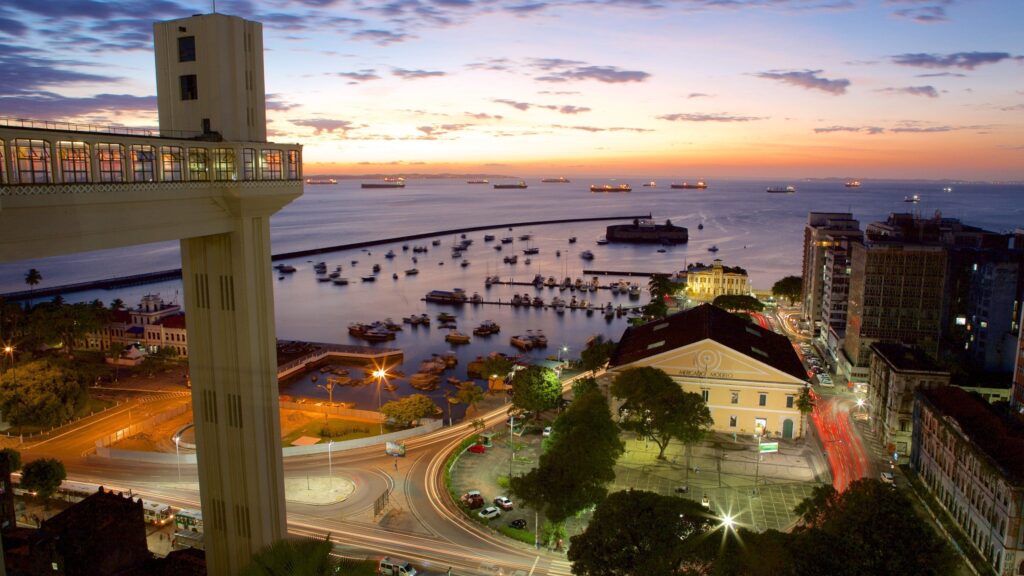
Salvador is one of Brazil’s most vibrant and culturally significant cities. Located on the northeastern coast of Brazil, the city is famous for its colonial architecture, Afro-Brazilian heritage, tropical beaches, music, festivals, and rich culinary traditions. As the capital of the state of Bahia, Salvador attracts millions of visitors every year who come to experience its colorful streets, historic center, and energetic atmosphere.
Known as the birthplace of many Brazilian cultural traditions, Salvador offers a unique blend of African, Indigenous, and Portuguese influences. The city is famous for samba, capoeira, Candomblé religious traditions, and one of the world’s largest Carnival celebrations. Because Brazil has seen increasing public discussions about cannabis reform, many travelers become curious about weed in Salvador and wonder what the legal situation is like.
The reality is more complex than many visitors expect.
Cannabis remains illegal for recreational use in Brazil. However, attitudes toward marijuana have gradually evolved, particularly in larger cities and among younger generations. While personal possession is treated differently from drug trafficking, recreational cannabis is not legalized, and visitors should understand the legal and social realities before considering marijuana while visiting Salvador.
This article explores weed in Salvador in depth, including cannabis laws in Brazil, local attitudes, nightlife culture, police enforcement, medical cannabis developments, tourism considerations, and what travelers should know before visiting this fascinating Brazilian city.
Cannabis Laws in Brazil
Cannabis remains illegal for recreational use throughout Brazil.
Under Brazilian law:
- Recreational marijuana is illegal
- Drug trafficking carries severe penalties
- Cultivation of cannabis is generally prohibited without authorization
- Sale and distribution remain criminal offenses
- Medical cannabis access exists under specific regulations
One important distinction in Brazilian law is the difference between personal possession and drug trafficking.
Authorities may consider factors such as:
- Quantity possessed
- Circumstances of possession
- Evidence of distribution
- Individual situation
This distinction has been the subject of ongoing legal and political debate in Brazil.
Is Weed Legal in Salvador?
No. Recreational cannabis is illegal in Salvador.
This applies to:
- Cannabis flower
- Hashish
- THC concentrates
- Cannabis edibles
- THC vape products
There are:
- No legal recreational dispensaries
- No cannabis cafés
- No legal retail marijuana market
While cannabis exists socially and underground, it is not legally available for recreational purchase.
Visitors should understand that Brazil has not legalized marijuana in the way that countries such as Canada or Uruguay have.
Is Cannabis Common in Salvador?
Cannabis is relatively common in Salvador, particularly within certain social circles.
Marijuana use may be found among:
- Students
- Young adults
- Artists and musicians
- Certain nightlife communities
- Some beach and cultural scenes
Like many large Brazilian cities, Salvador has a visible underground cannabis culture.
However:
- Most use remains discreet
- Public consumption carries risks
- Legal consequences remain possible
Cannabis is present socially but operates outside a legal recreational framework.
Salvador’s Unique Cultural Environment
Salvador is often considered the cultural heart of Afro-Brazilian identity.
The city is famous for:
- Historic Pelourinho district
- Afro-Brazilian music traditions
- Capoeira
- Candomblé religious practices
- Carnival celebrations
Its creative atmosphere attracts artists, musicians, and cultural enthusiasts from around the world.
Within some creative communities:
- Cannabis may be socially accepted
- Marijuana use may occur privately
- Attitudes can be more relaxed than in conservative environments
However, these social realities do not change the legal status of cannabis.
Cannabis and Salvador Nightlife
Salvador has one of Brazil’s most exciting nightlife scenes.
Popular areas include:
- Rio Vermelho
- Barra
- Pelourinho
- Santo Antônio Além do Carmo
Visitors can enjoy:
- Live music
- Samba clubs
- Reggae events
- Beach bars
- Cultural festivals
Alcohol remains the dominant recreational substance in public nightlife.
Cannabis may exist within some nightlife circles, but:
- Public use remains risky
- Open smoking can attract attention
- Police enforcement is still possible
Tourists should not assume that visible nightlife activity means cannabis use is tolerated.
Public Attitudes Toward Marijuana
Public attitudes toward cannabis in Brazil have evolved significantly in recent years.
Many Brazilians support:
- Medical cannabis access
- Criminal justice reform
- Reduced penalties for personal possession
- Further discussion of cannabis policy
Among younger generations, attitudes tend to be more relaxed than in the past.
However:
- Recreational legalization remains controversial
- Conservative groups oppose broader legalization
- Public opinion remains divided
In Salvador, attitudes can vary significantly depending on age, community, and social background.
Medical Cannabis in Brazil
Brazil has expanded access to medical cannabis in recent years.
Certain cannabis-based treatments may be available under regulated medical frameworks.
Medical cannabis can be prescribed for some conditions, including:
- Epilepsy
- Chronic pain
- Neurological disorders
- Certain treatment-resistant illnesses
However:
- Medical cannabis remains highly regulated
- Recreational use remains illegal
- Tourists generally cannot access medical cannabis casually
Brazil’s medical cannabis system continues to develop, but it is separate from recreational marijuana use.
Police Enforcement in Salvador
Police enforcement regarding cannabis can vary depending on circumstances.
Authorities focus heavily on:
- Drug trafficking
- Organized criminal groups
- Distribution networks
- Large-scale narcotics activity
However, possession cases can still lead to:
- Police encounters
- Legal proceedings
- Fines or sanctions
- Court appearances
Tourists should understand that foreign visitors are fully subject to Brazilian law.
Even small amounts can create legal complications.
The Risks of Buying Weed in Salvador
Tourists should avoid attempting to purchase cannabis illegally.
Potential risks include:
- Tourist scams
- Unsafe products
- Theft
- Police attention
- Involvement with criminal networks
Because there is no regulated recreational market:
- Product quality cannot be guaranteed
- Potency may be unknown
- Safety standards do not exist
Street purchases carry significant risks that many visitors underestimate.
Cannabis and Beach Culture
Salvador is known for its beautiful beaches, including:
- Porto da Barra
- Flamengo Beach
- Itapuã
- Stella Maris
Some travelers assume Brazilian beach culture is highly permissive regarding cannabis.
In reality:
- Public cannabis use remains illegal
- Police patrol popular beaches
- Tourist areas often receive increased monitoring
Visitors should avoid openly consuming marijuana in public beach environments.
Cannabis and Music Culture
Music plays a central role in Salvador’s identity.
The city is famous for:
- Samba
- Reggae
- Axé music
- Percussion traditions
Cannabis has historical associations with some global music cultures, particularly reggae.
However:
- Musical culture does not override local laws
- Cannabis is not officially integrated into music festivals
- Public consumption remains risky
Music lovers can enjoy Salvador’s incredible cultural scene without assuming marijuana use is accepted.
Airport and Border Risks
Travelers arriving through:
Salvador International Airport
should understand that transporting cannabis remains risky.
Visitors should never attempt to bring:
- Marijuana
- THC vape cartridges
- Cannabis edibles
- Concentrates
- Hashish
across international borders.
Potential consequences include:
- Confiscation
- Arrest
- Criminal charges
- Travel complications
Even if cannabis is legal in another country, Brazilian law applies upon entry.
CBD and Cannabis-Derived Products
Brazil has gradually opened access to some cannabis-derived medical products.
However:
- CBD regulations remain complex
- Importation rules may apply
- Not all products are legally available
Travelers should avoid assuming CBD products can be freely imported into Brazil.
Checking current regulations before travel is always advisable.
Why Tourists Should Be Careful
Many visitors assume cannabis laws are loosely enforced in beach destinations or large cities.
This assumption can be misleading.
Potential consequences of marijuana involvement include:
- Police encounters
- Legal proceedings
- Fines
- Court appearances
- Travel disruptions
Foreign visitors often face additional stress when navigating unfamiliar legal systems.
Respecting local laws remains the safest approach.
Safety Advice for Visitors
If you are visiting Salvador, it is wise to approach cannabis carefully.
Understand Brazilian Law
Recreational marijuana remains illegal.
Avoid Street Purchases
Illegal transactions carry safety and legal risks.
Respect Public Spaces
Public consumption can attract unwanted attention.
Be Careful at Festivals and Events
Large gatherings often have increased security presence.
Never Transport Cannabis Internationally
Cross-border cannabis transport can create serious legal problems.
Beyond Cannabis: The Real Salvador Experience
Although some travelers ask about weed in Salvador, the city’s true appeal lies elsewhere.
Visitors come for:
- Pelourinho’s colorful colonial streets
- Afro-Brazilian culture
- Beautiful Atlantic beaches
- World-famous Carnival celebrations
- Traditional Bahian cuisine
- Music and dance
- Historic churches and architecture
Salvador offers one of the richest cultural experiences in South America.
From watching capoeira performances in historic squares to enjoying live music along the waterfront, the city provides unforgettable experiences that go far beyond discussions about marijuana.
Conclusion
Salvador is one of Brazil’s most fascinating and culturally important destinations. Known for its Afro-Brazilian heritage, music, beaches, history, and vibrant atmosphere, the city attracts travelers seeking authentic cultural experiences and tropical beauty.
While cannabis exists within some social circles in Salvador, recreational marijuana remains illegal under Brazilian law. Public use, possession, trafficking, and illegal sales can still result in legal consequences. Although attitudes toward cannabis have become more relaxed among some segments of society, legalization has not occurred, and tourists should not assume marijuana is tolerated simply because of the city’s laid-back atmosphere.
For visitors, the best approach is to stay informed about local laws, avoid illegal purchases, and focus on Salvador’s extraordinary culture, food, music, history, and coastal lifestyle. The city’s true magic comes from its people, traditions, and energy—making it one of the most rewarding destinations in Latin America, with or without cannabis.
Hey readers , I’m currently in Salvador and was wondering if anyone knows where I might be able to find some good weed. Any recommendations or local insights would be greatly appreciated.
You might want to check out Cannabis Buffs They have the best stuff . He sells top-shelf weed and other stuff at moderate prices, I highly recommend him.
Just send him an email at buffscannabis@gmail.com
Telegram ( t.me/cannabisbuffs )
Note: He does not have channel and make sure you contact his telegram thesame as on the link above.
easy communication with cannabis buffs and very quality products. also get product in a reasonable amount of time
I love the strains they offer . I have ordered twice and the product is great. Everything arrives discreet and rather quickly after you order! I’m happy I found this cannabis buffs ! Going to try their shrooms in the near future!
Really trust this cannabis buffs . I haven’t received anything i haven’t liked. I loved everything I ordered. delivery super fast and reliable!
Generally arrives prior to estimate. Generous deals. Great size flower. Can’t beat the price.
recommend for sure
t.me/cannabisbuffs