
Weed in Rio de Janeiro: Culture, Laws, Risks, and the Reality Behind the Smoke
Few cities in the world carry the same energy and mystique as Rio de Janeiro. With its beaches, nightlife, samba culture, and dramatic mountains overlooking the Atlantic Ocean, Rio has long attracted travelers searching for freedom, excitement, and unforgettable experiences. Alongside its famous carnival celebrations and beach culture, cannabis has quietly become part of the city’s social landscape — especially among younger locals, artists, surfers, musicians, and tourists.
But while many visitors assume Brazil has a relaxed attitude toward marijuana because of its vibrant party reputation, the truth is more complicated. Weed in Rio exists in a gray social space: commonly used in certain circles, yet still illegal under Brazilian law. Understanding this contradiction is essential for anyone curious about cannabis culture in the city.
This article explores the reality of weed in Rio de Janeiro — from legality and local attitudes to safety concerns, social habits, tourism myths, and the future of cannabis reform in Brazil.
weed Laws in Brazil
Before discussing Rio specifically, it’s important to understand the broader legal situation in Brazil.
Cannabis remains illegal for recreational use throughout the country. Brazilian law does not officially legalize possession, buying, selling, or cultivation for personal recreation. However, reforms over the years have shifted how authorities handle small possession cases.
In 2006, Brazil introduced changes that removed jail sentences for people caught possessing small amounts for personal use. Instead of prison, individuals may face warnings, community service, or educational programs. While this sounds progressive, the law created a major issue: it never clearly defined what counts as “personal use.”
As a result, police officers and judges often decide subjectively whether someone is a user or a trafficker. In practice, this can create unequal treatment depending on neighborhood, social class, race, or circumstances.
For tourists, this ambiguity is especially important. Even carrying a small amount of weed can still lead to police interaction, fines, detention, or legal complications.
weed Culture in Rio de Janeiro
Despite the laws, cannabis use is relatively visible in some parts of Rio. In beach neighborhoods, music events, nightlife districts, and university areas, the smell of marijuana is not uncommon.
Areas associated with younger and more alternative lifestyles often have a more tolerant social atmosphere. Cannabis use is sometimes connected with surfing culture, reggae scenes, funk parties, and artistic communities.
Still, visibility should never be mistaken for legality or safety.
Many tourists arrive expecting something similar to Amsterdam or parts of the United States where dispensaries operate openly. Rio is nothing like that. There are no legal recreational cannabis shops, no licensed cafés, and no protected tourist-friendly marijuana market.
Instead, cannabis exists underground.
This underground reality creates risks not only because of the law, but because the supply chain in Brazil is often linked to organized crime networks operating within certain communities and favelas.
The Connection Between Drug Trade and Violence
One of the most sensitive aspects of discussing weed in Rio is the connection between drug trafficking and urban violence.
Rio de Janeiro has struggled for decades with conflicts involving criminal organizations, police operations, and armed gangs. Many favelas have historically been influenced by groups involved in the drug trade.
For outsiders, especially tourists unfamiliar with the city, attempting to buy illegal substances can unintentionally place them in dangerous environments. Some travelers wrongly assume that because cannabis is socially common, buying it is easy and harmless. In reality, searching for weed through random street contacts can expose people to scams, robbery, police trouble, or unsafe situations.
Tourists should understand that the glamorous image of Rio shown on social media rarely reflects the realities behind the illegal market.
Weed and Rio’s Beach Lifestyle
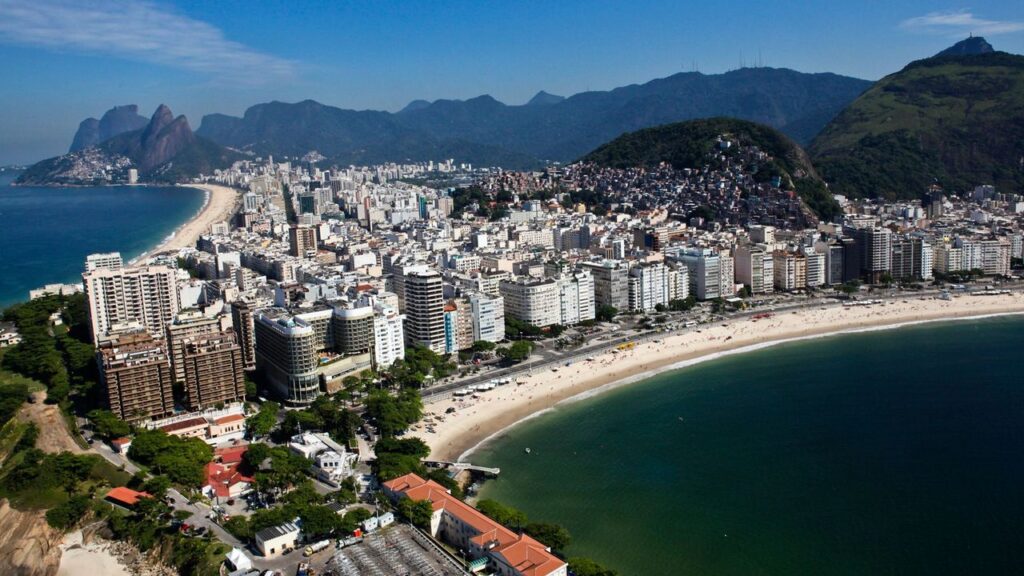
Rio’s beach culture is legendary. Places like Copacabana Beach and Ipanema Beach are globally recognized symbols of leisure and freedom. Along these coastlines, cannabis sometimes appears quietly within social groups enjoying sunsets, music, and gatherings.
Among locals, discreet use may happen during beach hangouts or late-night social events. However, public smoking still carries legal risk. Police patrol tourist areas regularly, especially during festivals, holidays, and major events.
Many travelers make the mistake of assuming open consumption is tolerated everywhere because they see others doing it casually. Enforcement can be inconsistent, but inconsistency does not equal permission.
Brazilian authorities may ignore some situations while acting firmly in others. Visitors should never rely on assumptions based on what they observe around them.
Weed During Carnival
Rio Carnival is one of the largest celebrations on Earth. Millions of people flood the streets for samba parades, blocos, concerts, and parties that continue day and night.
During Carnival, cannabis use becomes more visible simply because overall partying increases dramatically. However, police presence also intensifies. Security forces monitor crowds heavily due to the size of the event and concerns involving crime, drugs, and public safety.
Some tourists imagine Carnival as a lawless environment where anything goes. This is far from reality. Authorities still conduct searches, patrol major party zones, and enforce drug laws.
For international visitors, getting caught with illegal substances during Carnival can quickly transform a dream vacation into a stressful legal situation.
Medical weed in Brazil
Brazil has slowly become more open toward medical cannabis in recent years.
Patients with certain conditions may obtain authorization for cannabis-based products under regulated circumstances. Access usually involves prescriptions, medical approval, and imported products. Some Brazilian families and advocacy groups have fought publicly for greater medical cannabis access, especially for epilepsy patients and chronic illness treatment.
Medical cannabis remains tightly regulated and is not comparable to the large-scale dispensary systems seen in countries like Canada or parts of the United States.
Still, the growing acceptance of medical marijuana has helped shift public discussions around cannabis reform in Brazil.
Public Opinion and Changing Attitudes
Brazilian attitudes toward cannabis are changing gradually, especially among younger generations.
Support for decriminalization and medical access has grown in urban areas and among progressive political groups. Conversations about racial inequality, incarceration, and the failures of the drug war have also influenced public debate.
However, Brazil remains politically divided on the issue. Conservative sectors of society strongly oppose legalization, and national reforms move slowly.
Rio itself reflects this contradiction. The city is known internationally for openness, creativity, and nightlife, yet it also operates within a country where drug laws remain strict compared to many Western nations.
This creates a situation where cannabis may feel socially tolerated in some environments while still carrying real legal consequences.
Weed Quality and Availability
Another misconception among tourists is the assumption that weed quality in Rio is consistently high because Brazil has a strong party image.
In reality, cannabis quality varies significantly. Historically, much of the marijuana circulating in Brazil came from compressed brick weed transported through illegal routes. Lower-quality products have often dominated the underground market.
In recent years, higher-quality cannabis has become more common among wealthier consumers and private social circles. Imported strains and indoor-grown products exist, but they are expensive and still illegal recreationally.
Tourists seeking cannabis often have no reliable way to verify product quality or safety. Since there is no legal regulation, contamination, mislabeling, or poor-quality products remain concerns.
Social Class and weed Enforcement
One of the most controversial issues surrounding cannabis in Brazil is unequal enforcement.
Critics argue that wealthier users in affluent neighborhoods may experience more lenient treatment compared to poorer individuals in marginalized communities. Discussions about race and class are deeply connected to debates about drug policy in Brazil.
In Rio, this contrast can be highly visible. The same behavior may lead to drastically different consequences depending on where it happens and who is involved.
This reality has fueled activist movements pushing for reform, arguing that current policies disproportionately impact vulnerable populations while failing to reduce violence or drug use.
Tourism and weed Myths
Social media has contributed heavily to unrealistic expectations about weed in Rio.
Photos of beach parties, rooftop gatherings, and nightlife scenes often create the illusion that cannabis is fully normalized and consequence-free. Influencers sometimes present Rio as a carefree paradise without discussing the legal or social realities.
Travelers should approach these portrayals cautiously.
Unlike destinations with regulated cannabis tourism industries, Rio offers no legal protection for recreational users. Buying weed from strangers, carrying it publicly, or smoking openly can still result in police issues or personal safety risks.
Responsible travel means understanding local laws rather than assuming foreign norms apply everywhere.
The Future of Weed in Rio de Janeiro
The future of cannabis policy in Brazil remains uncertain but increasingly debated.
Several trends suggest gradual change may continue:
- Growing medical cannabis acceptance
- Increasing public discussion about decriminalization
- Pressure from activist organizations
- Global legalization trends influencing public opinion
- Judicial debates regarding personal possession laws
At the same time, strong political opposition remains.
Brazil’s future cannabis policies will likely develop slowly through court decisions, public debate, and incremental reforms rather than sudden nationwide legalization.
For now, recreational cannabis remains illegal throughout the country, including Rio de Janeiro.
Safety Advice for Visitors
For tourists visiting Rio, understanding local realities is far more important than chasing stereotypes.
Here are a few practical considerations:
Respect Local Laws
Even if enforcement appears inconsistent, cannabis is still illegal recreationally in Brazil.
Avoid Street Deals
Attempting to buy drugs from strangers can expose travelers to scams, theft, or dangerous situations.
Do Not Assume Tourist Immunity
Foreign visitors are not protected from legal consequences. Police interactions can become stressful, especially with language barriers.
Stay Aware of Your Surroundings
Rio is an incredible city, but like many large urban destinations, situational awareness matters.
Focus on the City Beyond Cannabis
Rio’s true magic comes from its music, food, beaches, football culture, landscapes, and nightlife — not from chasing illegal experiences.
Conclusion
Rio de Janeiro occupies a unique place in global imagination: vibrant, rebellious, musical, sensual, and alive. Cannabis exists within that atmosphere, woven quietly into parts of the city’s social fabric. Yet beneath the relaxed beach image lies a far more complicated reality shaped by law, inequality, organized crime, and political debate.
Weed in Rio de Janeiro is neither fully hidden nor truly accepted. It exists in contradiction — socially visible but legally risky, culturally present but underground.
For travelers, the safest and smartest approach is understanding that Rio is not a legal cannabis destination. Respect for local laws, awareness of personal safety, and realistic expectations are essential.
As Brazil continues debating the future of cannabis policy, Rio may eventually see significant change. But today, the city remains a place where marijuana culture operates in the shadows of one of the world’s most breathtaking urban landscapes.
Hey readers , I’m currently in Rio de Janeiro and was wondering if anyone knows where I might be able to find some good weed. Any recommendations or local insights would be greatly appreciated.
You might want to check out Cannabis Buffs They have the best stuff . He sells top-shelf weed and other stuff at moderate prices, I highly recommend him.
Just send him an email at buffscannabis@gmail.com
Telegram ( t.me/cannabisbuffs )
Note: He does not have channel and make sure you contact his telegram thesame as on the link above.
I love the strains they offer . I have ordered twice and the product is great. Everything arrives discreet and rather quickly after you order! I’m happy I found this cannabis buffs ! Going to try their shrooms in the near future!
easy communication with cannabis buffs and very quality products. also get product in a reasonable amount of time
Really trust this cannabis buffs . I haven’t received anything i haven’t liked. I loved everything I ordered. delivery super fast and reliable!
Generally arrives prior to estimate. Generous deals. Great size flower. Can’t beat the price.
recommend for sure
t.me/cannabisbuffs