
Weed in Singapore: Cannabis Laws, Risks, Culture, and the Reality of Marijuana in the City-State
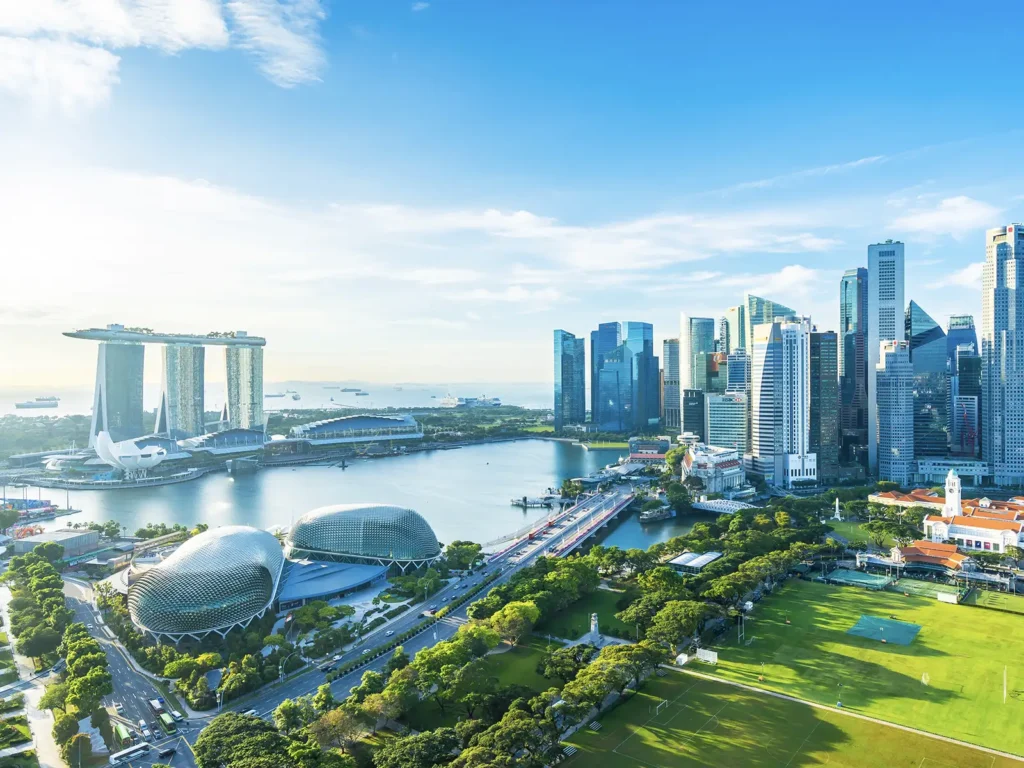
Singapore is one of the cleanest, safest, and most modern cities in the world. Known for its futuristic skyline, luxury shopping, world-class airport, and strict laws, Singapore has become a global hub for finance, tourism, and international business. Attractions such as Marina Bay Sands, Gardens by the Bay, and the famous food markets across the city attract millions of visitors every year.
At the same time, Singapore is internationally recognized for its tough legal system and zero-tolerance approach toward drugs. As cannabis legalization expands across North America, Europe, and parts of Asia, many travelers become curious about weed in Singapore. Some visitors mistakenly assume that because Singapore is modern and international, attitudes toward marijuana may also be changing.
The reality is very different.
Singapore has some of the strictest cannabis laws in the world, and authorities treat marijuana offenses extremely seriously. Even small amounts of cannabis can lead to severe legal consequences, especially for tourists unfamiliar with local laws.
This article explores weed in Singapore in depth — including cannabis laws, enforcement, social attitudes, nightlife realities, airport risks, medical cannabis developments, and the important differences between Singapore and countries where cannabis has become legalized or tolerated.
Cannabis Laws in Singapore
Cannabis is illegal in Singapore under the Misuse of Drugs Act.
The law prohibits:
- Possession of cannabis
- Consumption of marijuana
- Sale or distribution
- Importation or exportation
- Cultivation
- Trafficking of cannabis products
Singapore’s anti-drug policies are among the strictest anywhere in the world.
Penalties for marijuana-related offenses can include:
- Arrest
- Heavy fines
- Imprisonment
- Caning in some drug-related cases
- Long-term detention
- Extremely severe penalties for trafficking offenses
Singapore authorities enforce drug laws aggressively and consistently.
The Zero-Tolerance Drug Policy
Singapore’s government has long promoted a strong anti-drug stance as part of its broader approach to law and order.
Officials argue that strict enforcement helps:
- Maintain public safety
- Prevent organized crime
- Reduce addiction
- Protect social stability
This approach applies not only to hard drugs but also to cannabis.
Unlike some Western countries where marijuana is increasingly treated as a low-risk recreational substance, Singapore continues viewing cannabis as a dangerous illegal drug.
Cannabis and Tourism Misconceptions
One major issue facing tourists is misunderstanding Singapore’s laws.
Travelers from countries such as:
- Canada
- Parts of the United States
- Thailand
- Germany
sometimes assume cannabis laws are becoming relaxed globally.
Because Singapore is wealthy, modern, and internationally connected, some visitors mistakenly believe marijuana laws must also be moderate.
This assumption is extremely risky.
Singapore is not:
- A cannabis-friendly destination
- A decriminalized city
- A place with tolerated recreational weed use
- A country with legal dispensaries or cannabis cafés
Even casual involvement with marijuana can lead to serious legal consequences.
Airport and Border Enforcement
Singapore maintains strict airport and customs controls.
Travelers arriving through:
- Singapore Changi Airport
face strong security and drug screening procedures.
Visitors should never attempt to bring:
- Cannabis flower
- THC vape cartridges
- Edibles
- Cannabis oils
- CBD products containing THC
- Medical marijuana products
into Singapore.
Even products legally purchased elsewhere may still violate Singapore law.
Authorities have historically enforced strict penalties for drug importation, and ignorance of the law is not accepted as an excuse.
Cannabis Use Outside Singapore
One unique feature of Singapore law is that authorities may prosecute Singapore citizens and permanent residents for consuming drugs outside the country.
This means:
- Drug use abroad can still create legal problems back home
- Authorities may require drug testing
- Positive tests can trigger investigations
This reflects how seriously Singapore treats drug enforcement.
Although this law mainly affects residents rather than tourists, it highlights the country’s strict approach to cannabis.
Public Attitudes Toward Marijuana
Public attitudes toward cannabis in Singapore are generally conservative.
Factors influencing this include:
- Strong government anti-drug campaigns
- Strict law enforcement culture
- Social emphasis on order and discipline
- Concerns about addiction and crime
- Education systems discouraging drug use
Among many Singaporeans, cannabis is viewed negatively and associated with criminal behavior rather than lifestyle culture.
This differs greatly from places where marijuana has become mainstream or commercially marketed.
Cannabis and Singapore Nightlife
Singapore has a sophisticated nightlife scene including:
- Rooftop bars
- Luxury clubs
- Beach parties on Sentosa
- International music events
- Cocktail lounges and entertainment districts
Areas such as Clarke Quay and Marina Bay are famous for nightlife and tourism.
However, despite the modern atmosphere, cannabis is not openly present in nightlife culture.
Police monitoring and security are strong in nightlife districts, and drug offenses can quickly attract serious legal attention.
Tourists should never assume club environments create tolerance for marijuana use.
Weed and Youth Culture
Like many global cities, younger generations in Singapore are exposed to international conversations about cannabis through:
- Social media
- Music and entertainment
- Streaming platforms
- International travel
As a result, some younger Singaporeans may privately hold more liberal views than older generations.
However, public support for legalization remains relatively limited compared to Western countries.
Open cannabis activism in Singapore is rare due to strict laws and political realities.
Medical Cannabis in Singapore
Singapore does not operate a broad medical marijuana system.
However, in very limited cases, certain cannabis-derived pharmaceutical products may be approved under strict medical regulation.
These cases are highly restricted and do not represent legalization of recreational cannabis.
Travelers with foreign medical marijuana prescriptions should understand:
- Such prescriptions generally do not authorize cannabis possession in Singapore
- Carrying marijuana-based products can still create legal issues
Visitors should carefully review regulations before traveling.
CBD and Cannabis-Derived Products
Singapore also regulates CBD products very strictly.
CBD products containing THC are illegal, and even trace THC contamination can create problems.
Tourists should avoid bringing:
- CBD oils
- Gummies
- Wellness products
- Vape products
unless they are fully verified as compliant with Singapore regulations.
Because international CBD standards vary widely, travelers may unknowingly carry prohibited substances.
Law Enforcement and Drug Testing
Singapore authorities have broad powers regarding drug enforcement.
Law enforcement may involve:
- Drug screening
- Customs inspections
- Police investigations
- Airport checks
Drug laws are applied seriously regardless of nationality.
Foreign visitors are expected to fully comply with Singapore law while inside the country.
Cannabis Compared to Alcohol and Tobacco
Some tourists are confused because Singapore permits:
- Alcohol consumption
- Cigarette sales
- Nightlife and entertainment venues
However, cannabis is treated entirely differently.
The government separates marijuana from regulated legal substances and continues classifying it as a dangerous controlled drug.
The existence of nightlife or luxury tourism does not indicate relaxed cannabis policies.
The Difference Between Singapore and Legal Weed Countries
Travelers sometimes compare Singapore with places such as:
- Thailand
- Canada
- Parts of the United States
- Amsterdam
But Singapore’s approach is fundamentally different.
The city-state prioritizes:
- Strict law enforcement
- Public order
- Social discipline
- Preventive anti-drug policy
As a result, cannabis legalization is not currently part of mainstream government policy.
Social Consequences of Drug Offenses
In Singapore, drug-related offenses can carry strong social consequences in addition to legal penalties.
Potential impacts include:
- Employment problems
- Visa or immigration issues
- Educational consequences
- Social stigma
This contributes to the country’s broader deterrence strategy.
Cannabis and Social Media Risks
Singapore authorities also take online behavior seriously.
Visitors should avoid:
- Posting drug-related content
- Publicly discussing illegal activity
- Sharing images involving cannabis use in Singapore
Social media behavior can attract legal scrutiny in some situations.
Safety Advice for Visitors
If traveling to Singapore, cannabis-related caution is essential.
Never Bring Cannabis Into Singapore
Even small amounts can create major legal problems.
Avoid THC Products Entirely
This includes oils, edibles, vapes, and concentrates.
Do Not Assume Foreign Laws Apply
Legal weed elsewhere does not matter under Singapore law.
Avoid Illegal Purchases
Underground markets carry severe legal risks.
Respect Local Laws and Culture
Singapore’s drug policies are strict and actively enforced.
Beyond Cannabis: The Real Singapore Experience
While some travelers ask about weed in Singapore, the city’s true appeal lies elsewhere.
Visitors come for:
- Marina Bay Sands
- Gardens by the Bay
- Street food and hawker culture
- Luxury shopping and architecture
- Cultural neighborhoods like Chinatown and Little India
- Futuristic attractions and museums
- Efficient transportation and safety
- Global business and technology culture
Singapore offers one of the world’s most organized and visually impressive urban experiences without any cannabis tourism culture.
Conclusion
Singapore remains one of the strictest places in the world regarding marijuana laws. Recreational cannabis is illegal, enforcement is aggressive, and public attitudes remain generally conservative.
Although global cannabis legalization trends continue expanding elsewhere, Singapore has maintained its zero-tolerance approach toward drugs, including marijuana.
Tourists who assume the city-state follows Western legalization trends risk serious legal consequences. Visitors should avoid all cannabis-related products, respect local laws, and understand that Singapore treats drug offenses far more seriously than many other international destinations.
For now, Singapore’s identity is defined not by cannabis culture, but by its innovation, safety, architecture, food, and role as one of the world’s most advanced and disciplined global cities.
Hey readers , I’m currently in Singapore and was wondering if anyone knows where I might be able to find some good weed. Any recommendations or local insights would be greatly appreciated.
You might want to check out Cannabis Buffs They have the best stuff . He sells top-shelf weed and other stuff at moderate prices, I highly recommend him.
Just send him an email at buffscannabis@gmail.com
Telegram ( t.me/cannabisbuffs )
Note: He does not have channel and make sure you contact his telegram thesame as on the link above.
I love the strains they offer . I have ordered twice and the product is great. Everything arrives discreet and rather quickly after you order! I’m happy I found this cannabis buffs ! Going to try their shrooms in the near future!
easy communication with cannabis buffs and very quality products. also get product in a reasonable amount of time
Really trust this cannabis buffs . I haven’t received anything i haven’t liked. I loved everything I ordered. delivery super fast and reliable!
Generally arrives prior to estimate. Generous deals. Great size flower. Can’t beat the price.
recommend for sure
t.me/cannabisbuffs